
Frieze Week NYC 2026
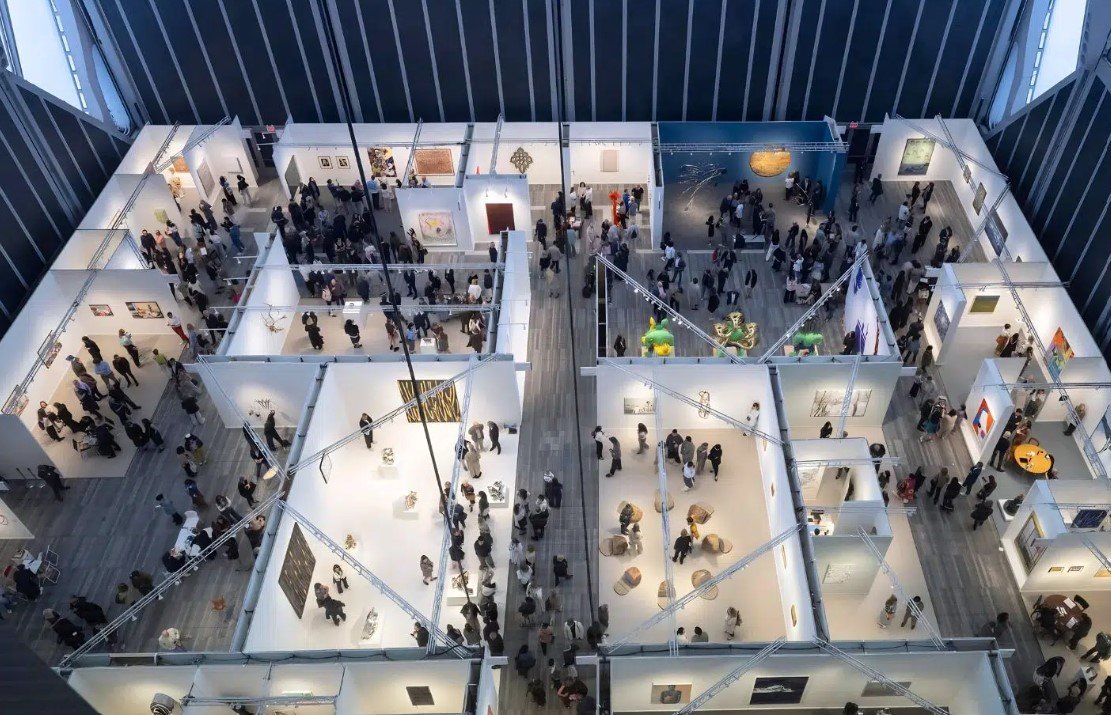
Photo by Casey Kelbaugh. Courtesy of Frieze.
For the last few years, a lot of art fairs and exhibitions have leaned heavily into spectacle. Bigger installations. Bigger statements. Bigger attempts at virality. Sometimes it felt like the work almost had to scream just to be noticed.
But this year felt more intentional.
There was still ambition everywhere, but it felt quieter. More focused. Less about theatrical performance and more about the actual conversations happening inside the work. Instead of trying to overwhelm viewers, many of the exhibitions seemed interested in slowing people down. That shift stood out immediately walking through fairs like 1-54, Contemporary African Art Fair New York 2026 and NADA New York 2026 during Frieze Week. Together, the city once again became a temporary ecosystem of galleries, collectors, curators, artists, and emerging spaces all moving through New York at once.
At Frieze itself, the overall atmosphere felt more mature this year. Even with major galleries presenting museum-level booths, the energy did not feel overly performative. There was a stronger emphasis on materiality, process, and artists building worlds through texture, memory, and narrative instead of oversized spectacle.
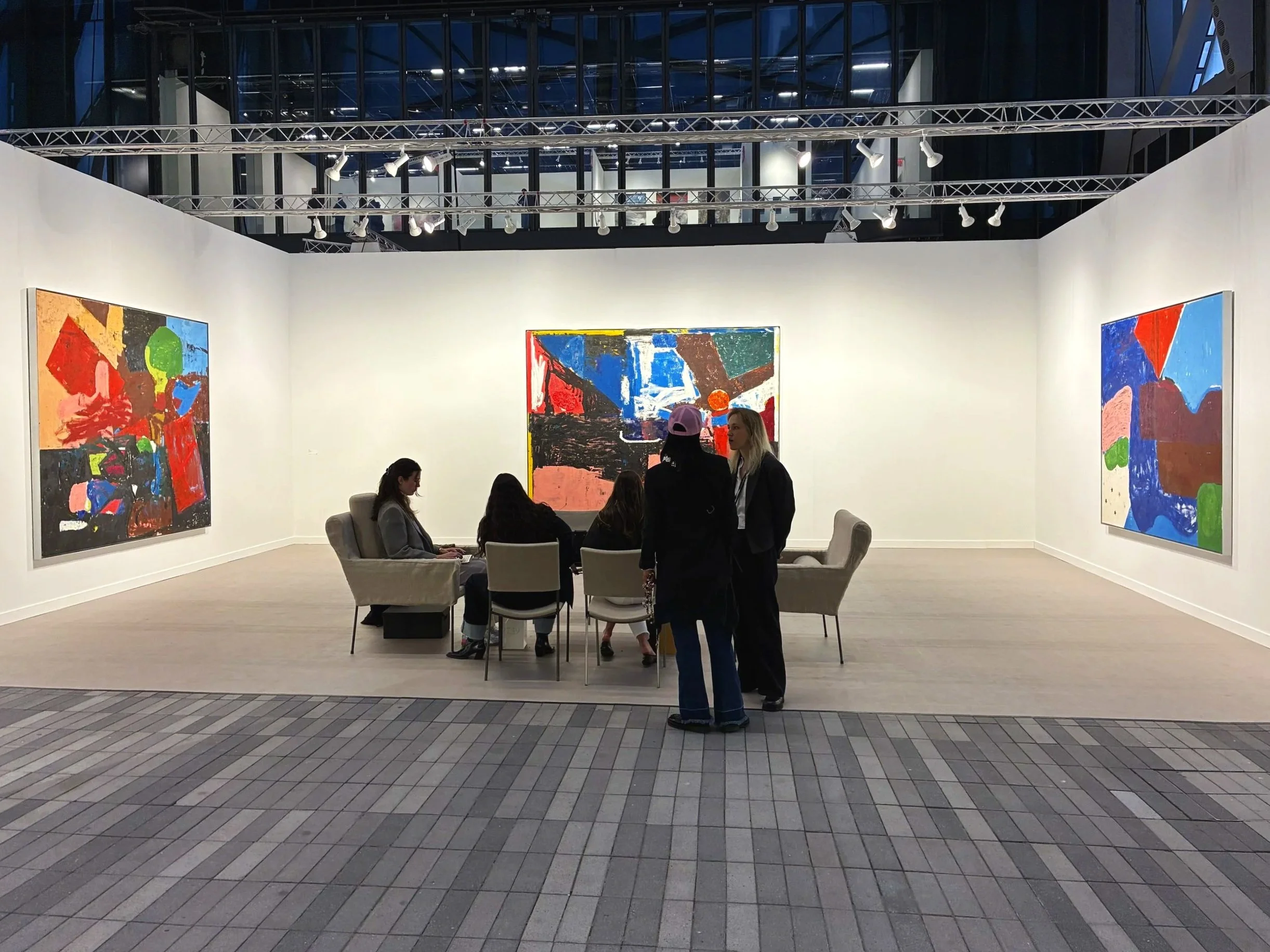
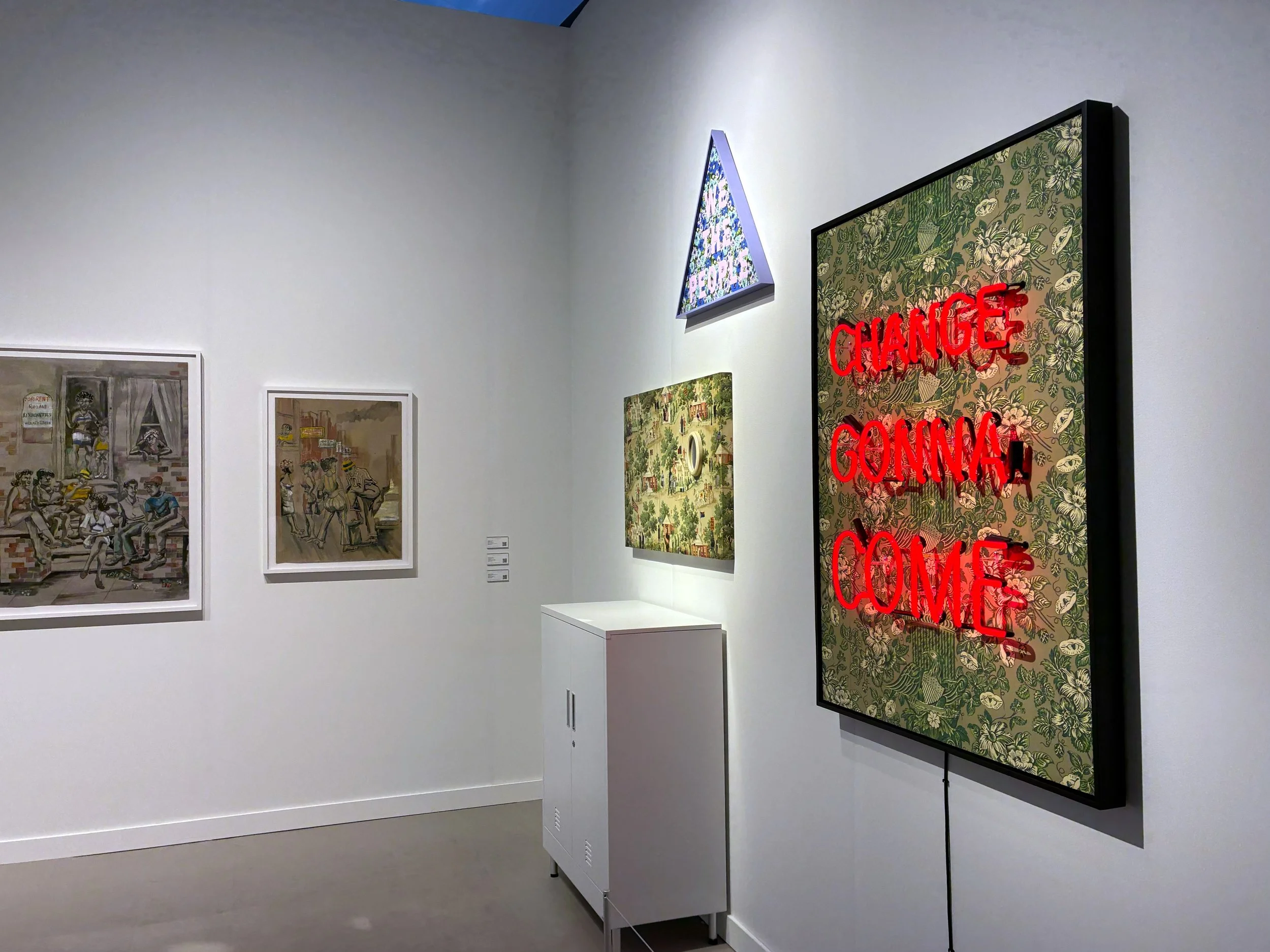
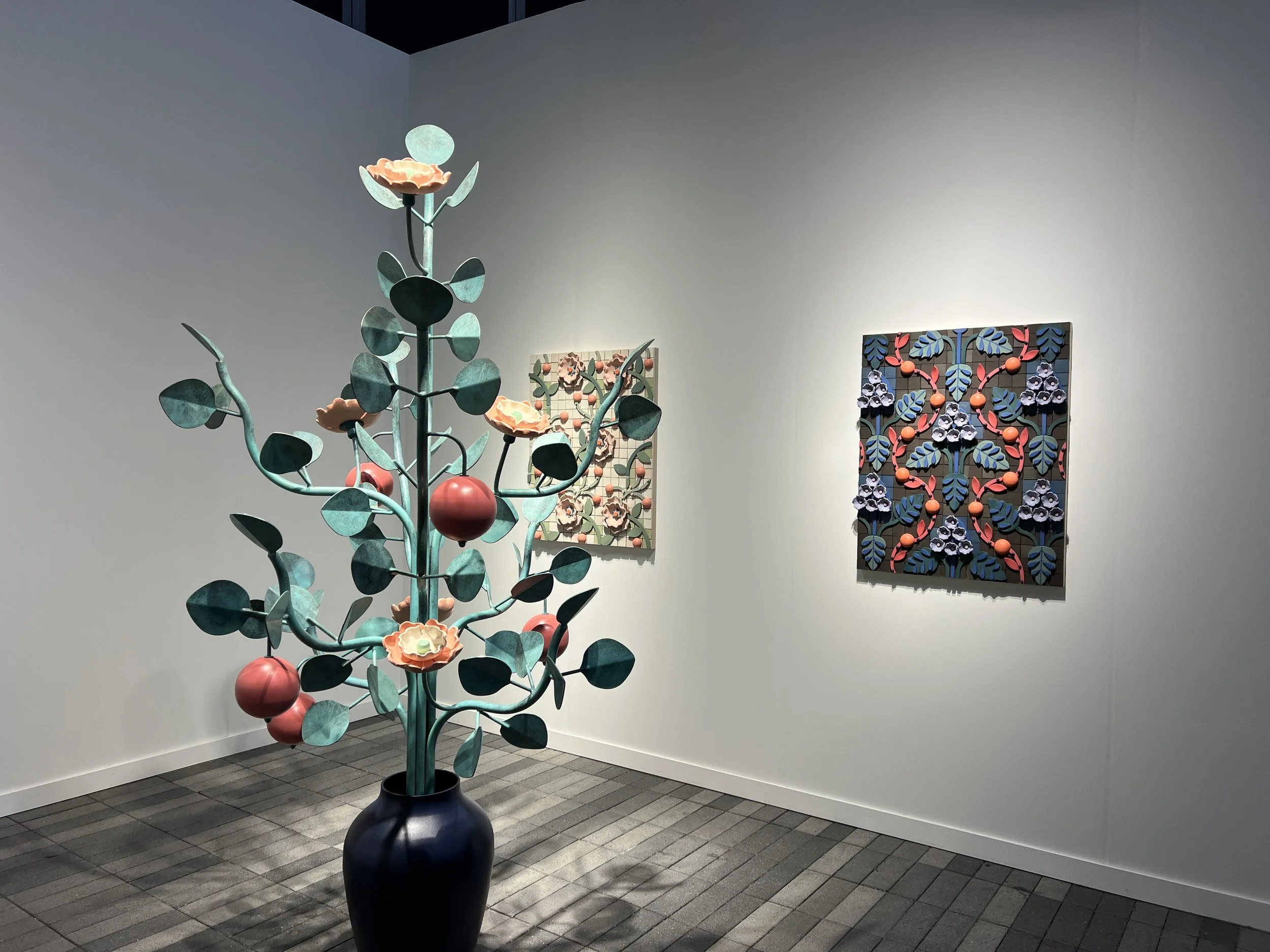
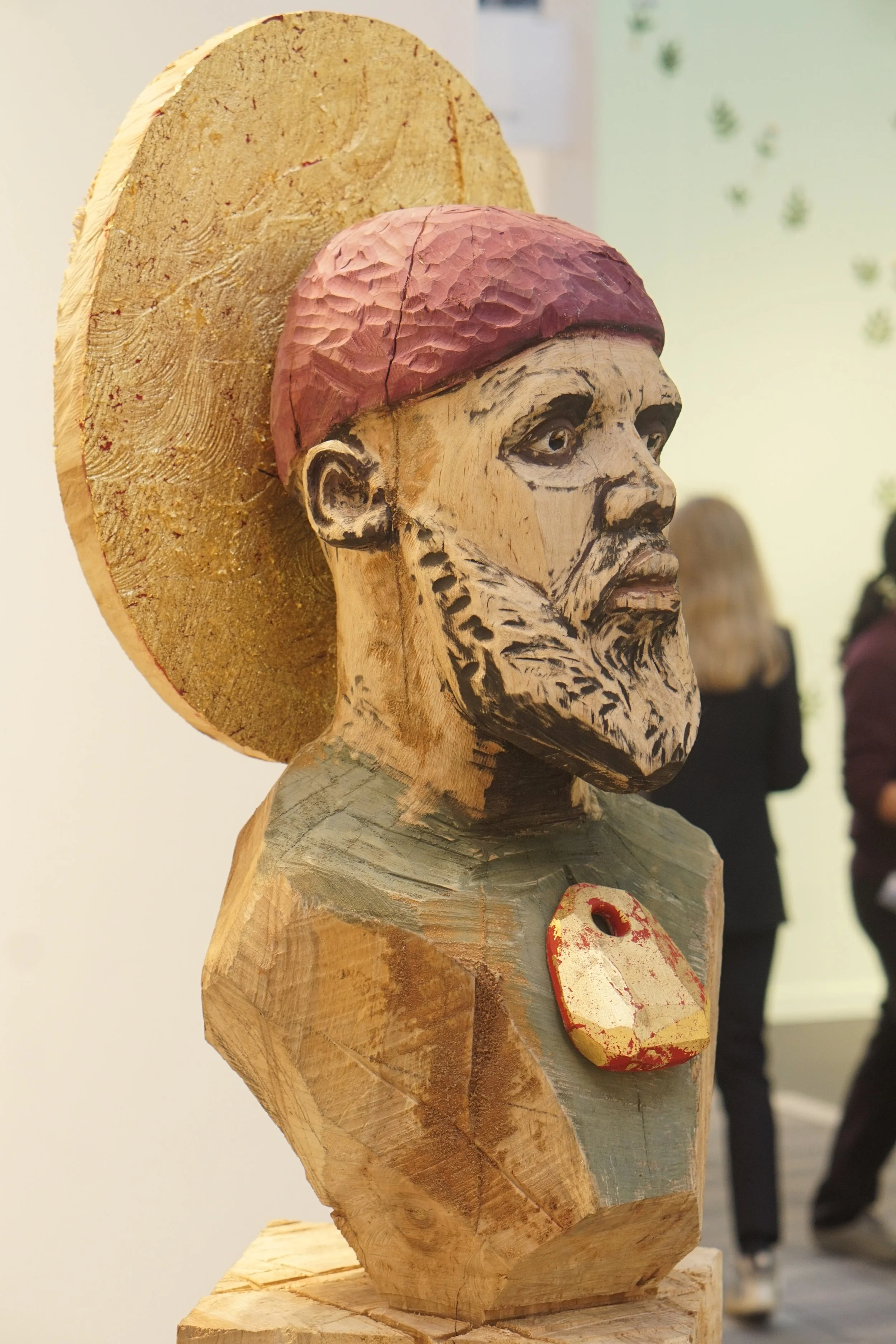
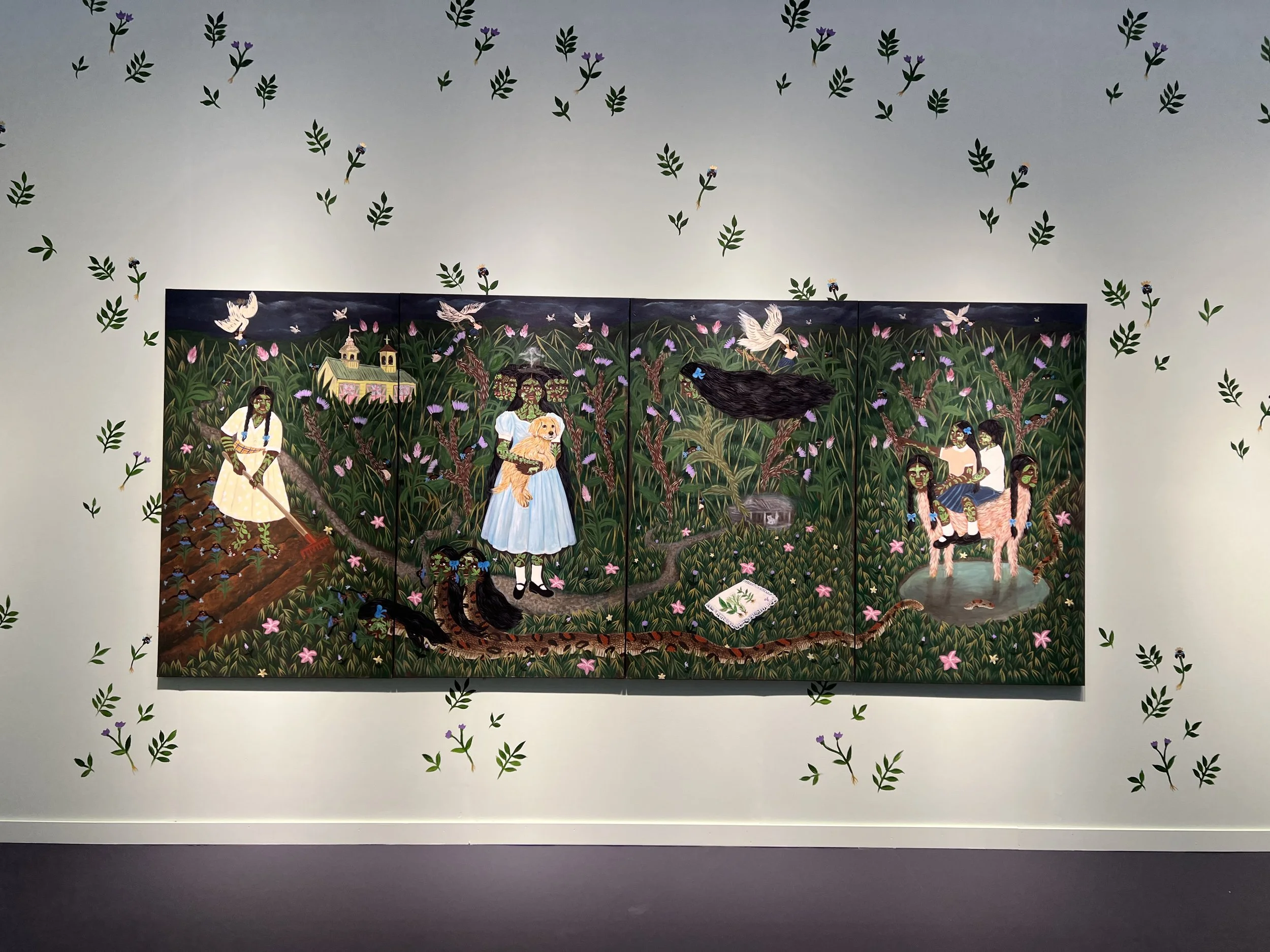
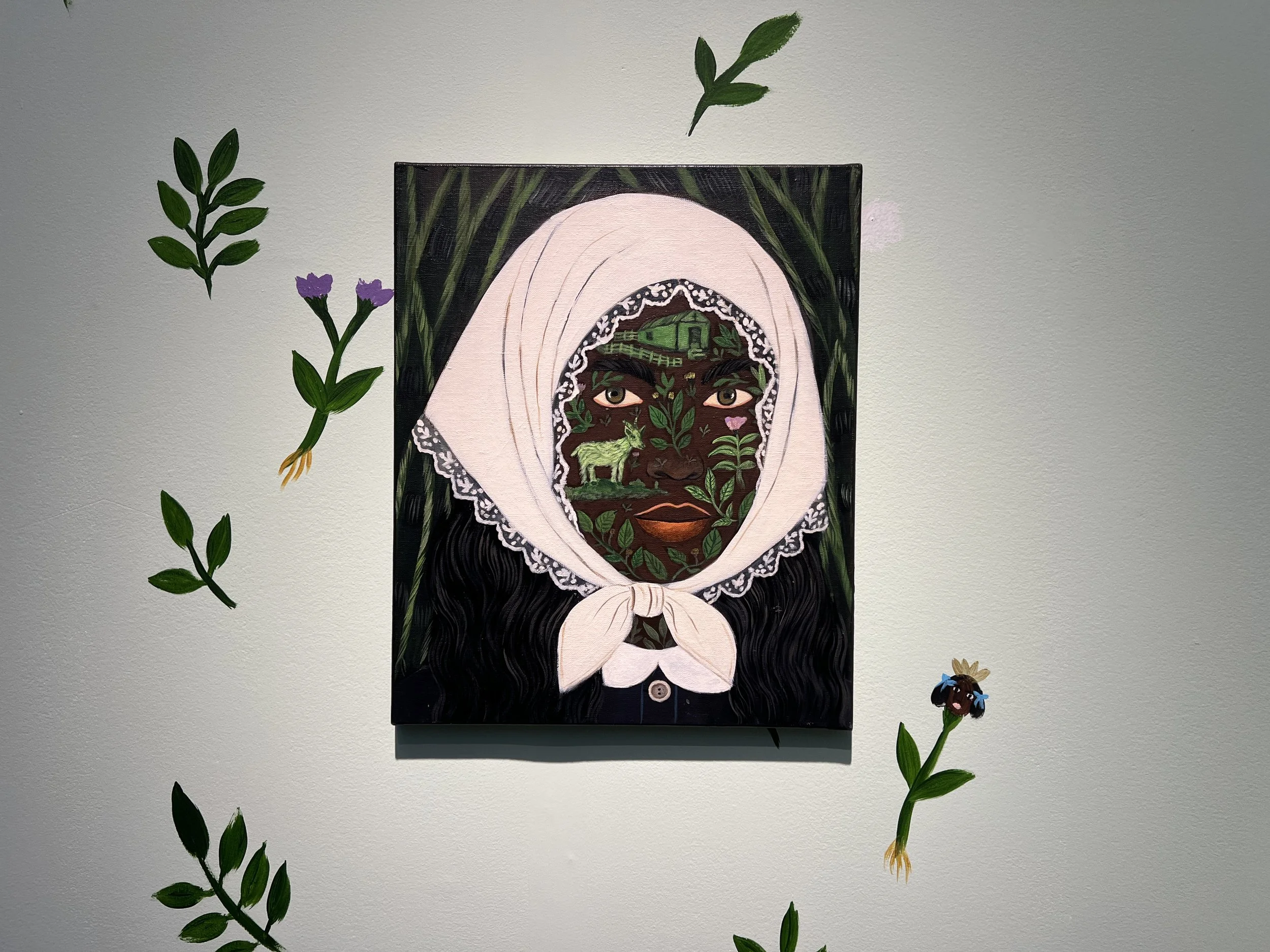
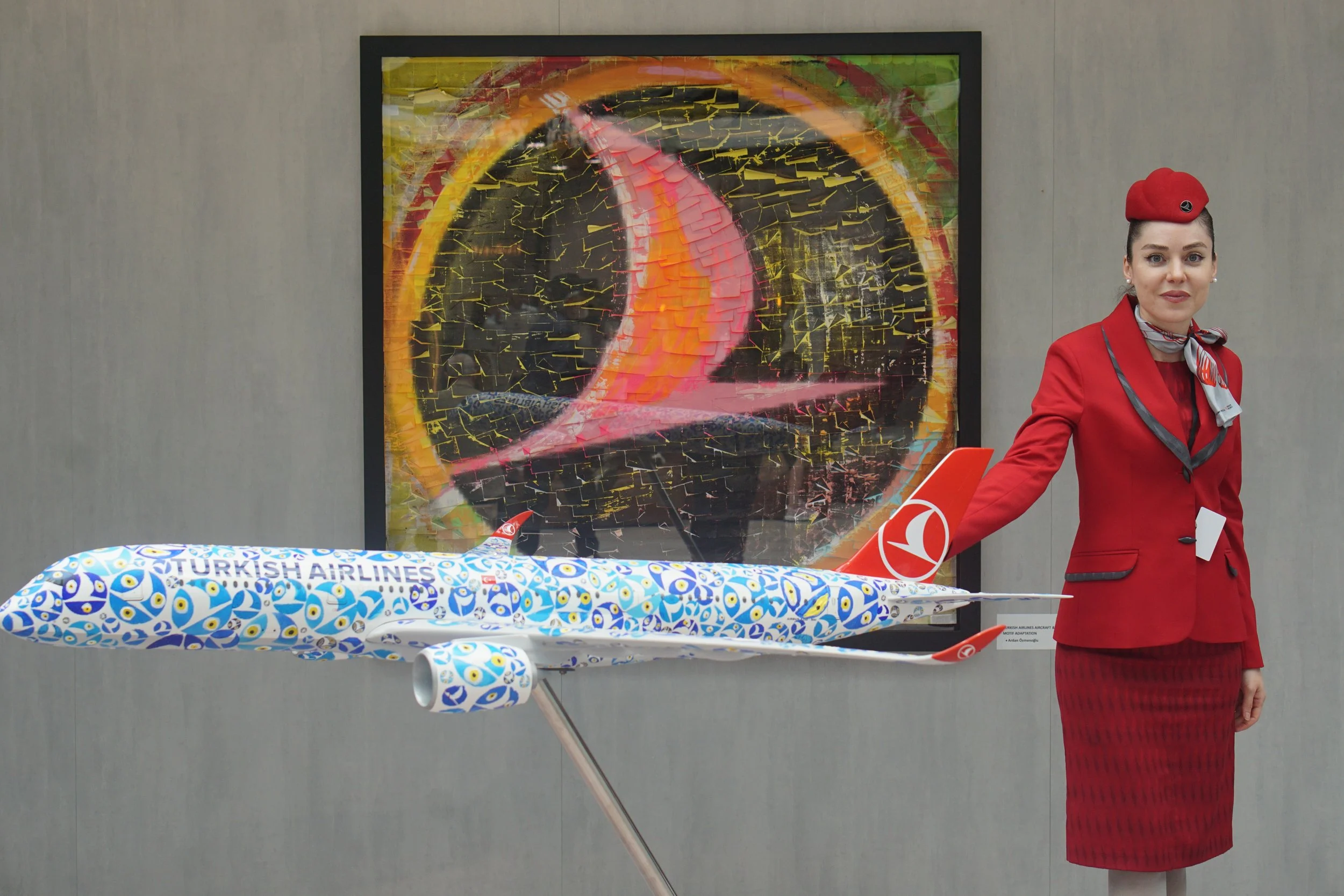
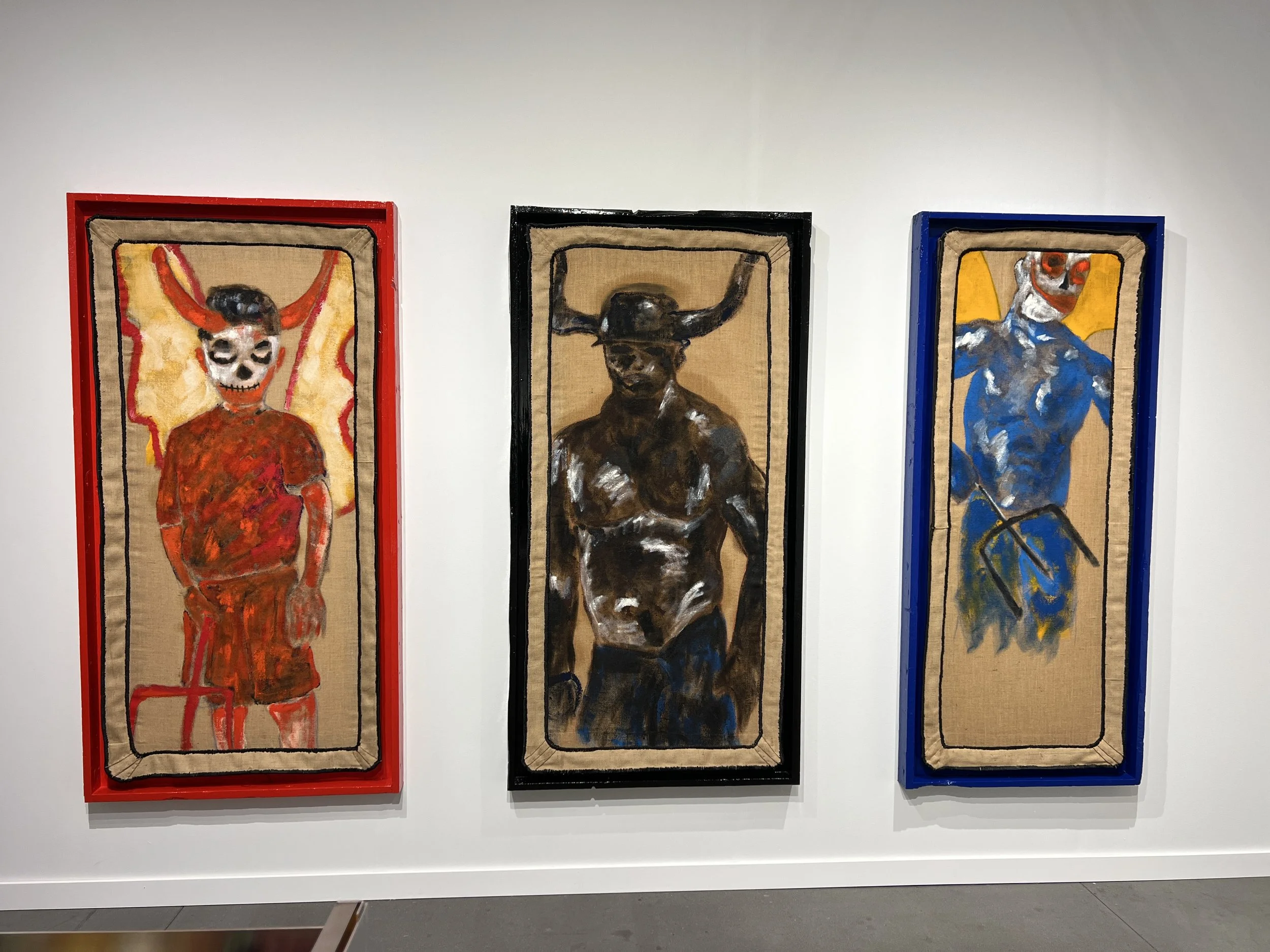
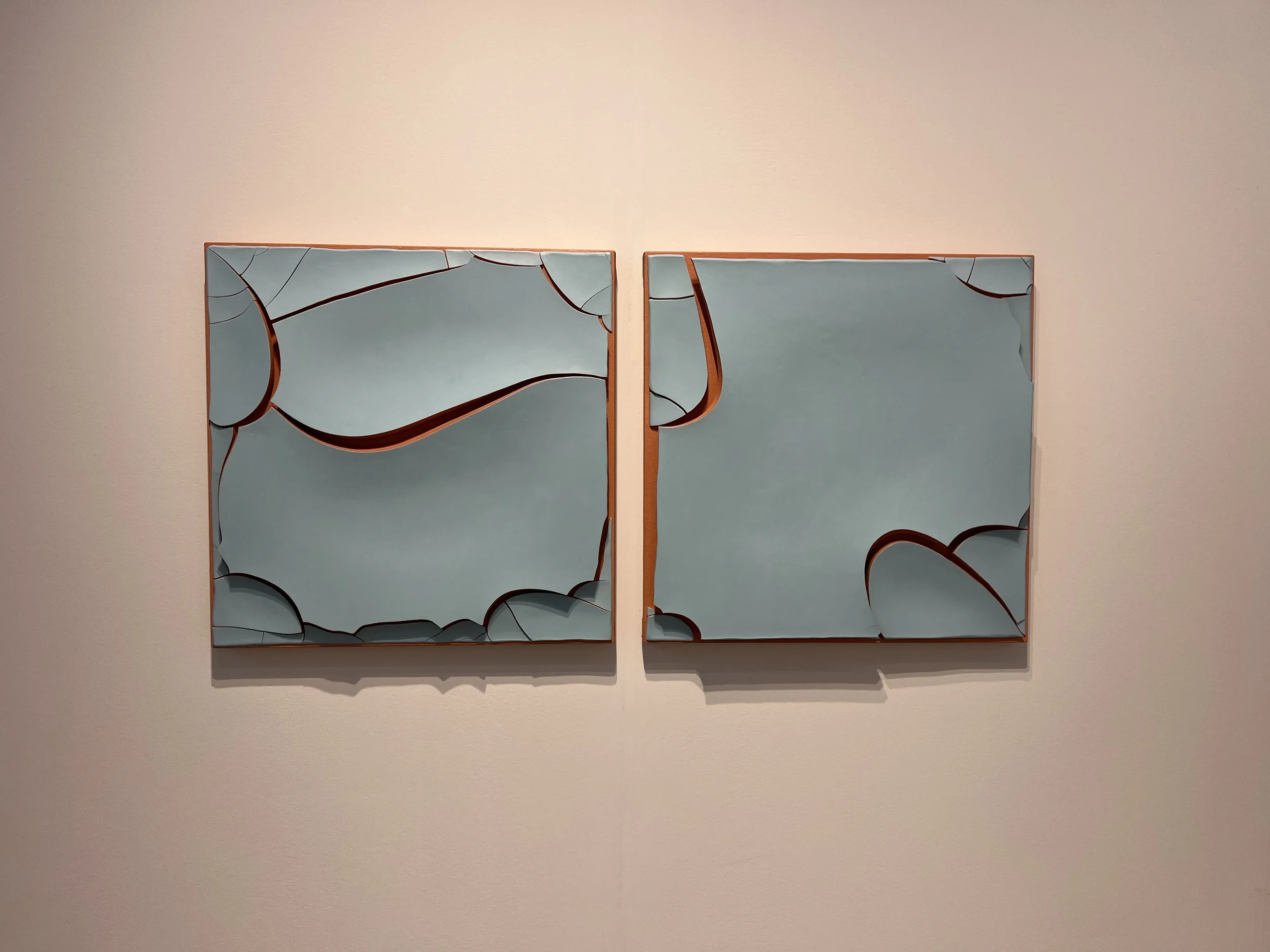
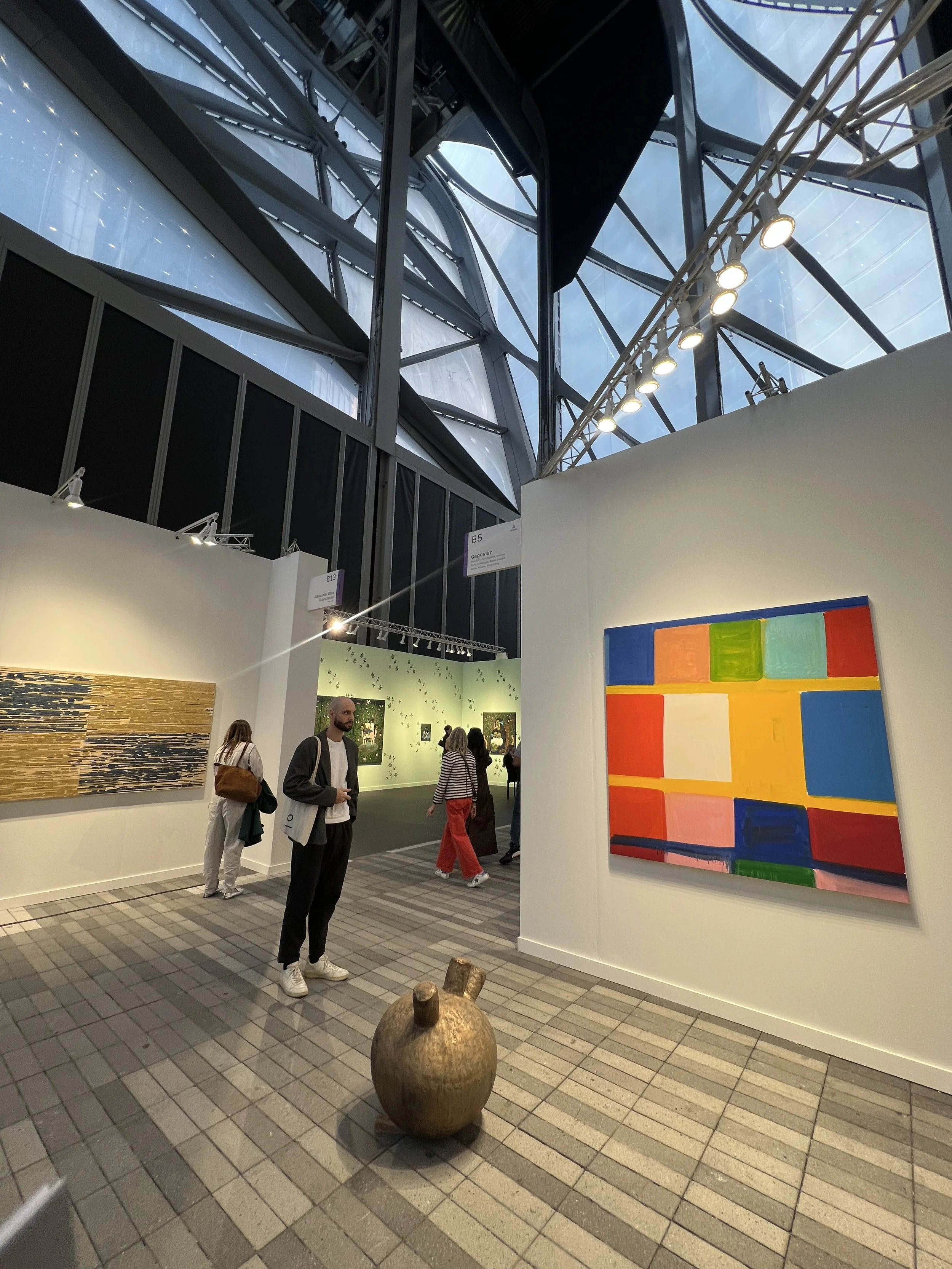
One thing I noticed across multiple fairs was that galleries seemed less interested in forcing “moments” and more interested in presenting cohesive bodies of work. That matters, especially now. We are in a moment where audiences are exhausted by overproduction and constant stimulation. The work that actually stayed with me this week was the work that trusted itself enough not to over explain.
David Zwirner continues to operate on an entirely different scale, but even there, I noticed a restraint this year that I appreciated. The presentation felt less about overpowering the viewer and more about allowing space for reflection. That shift honestly mirrored the overall tone of Frieze Week itself.
Another gallery that stood out was Jenkins Johnson Gallery. Their presentations consistently understand historical continuity in Black art without making the work feel trapped in history. There is always a conversation happening between archive, identity, and contemporary image-making. During a week where many fairs were discussing global narratives and diasporic identity, their booth felt especially relevant.
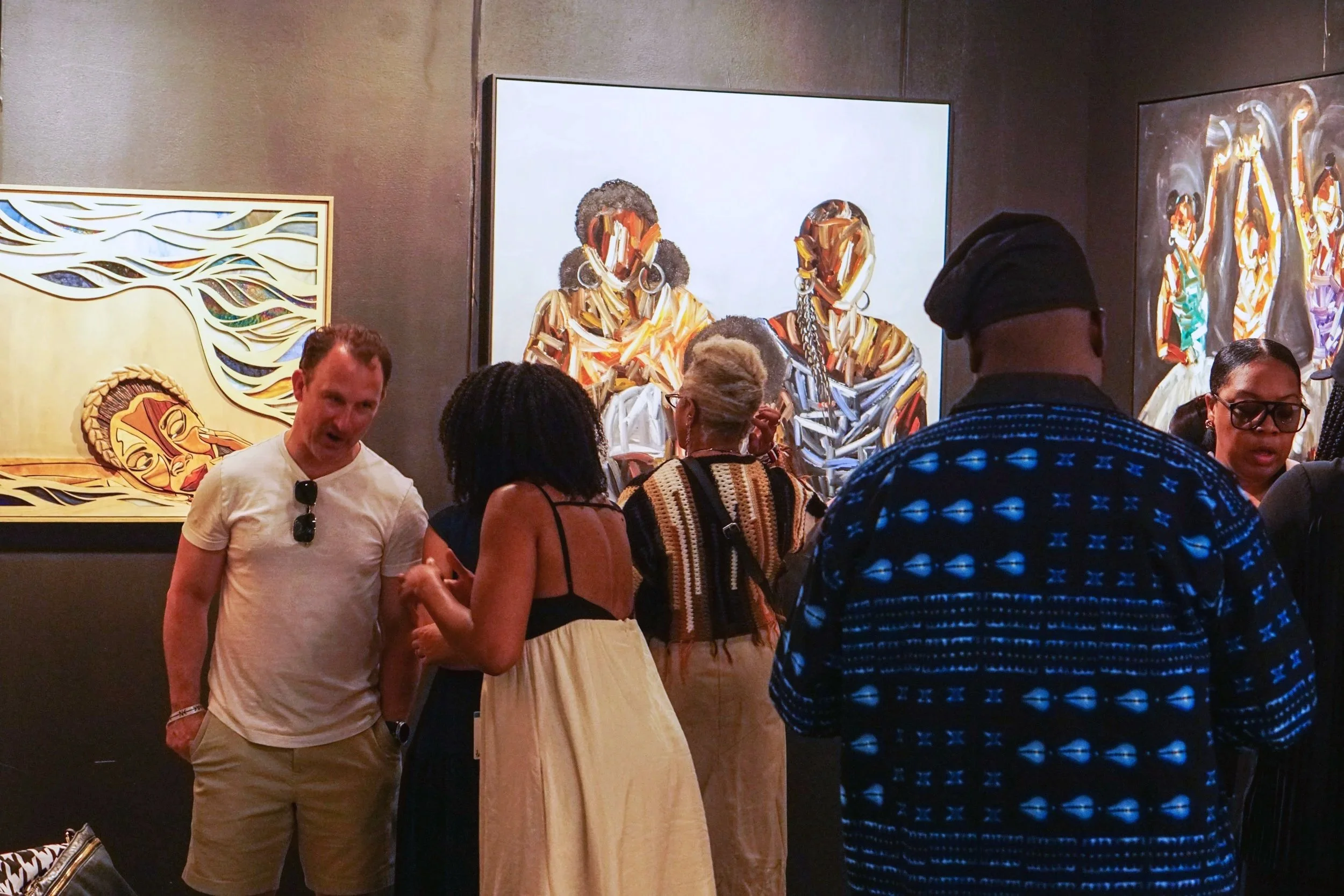
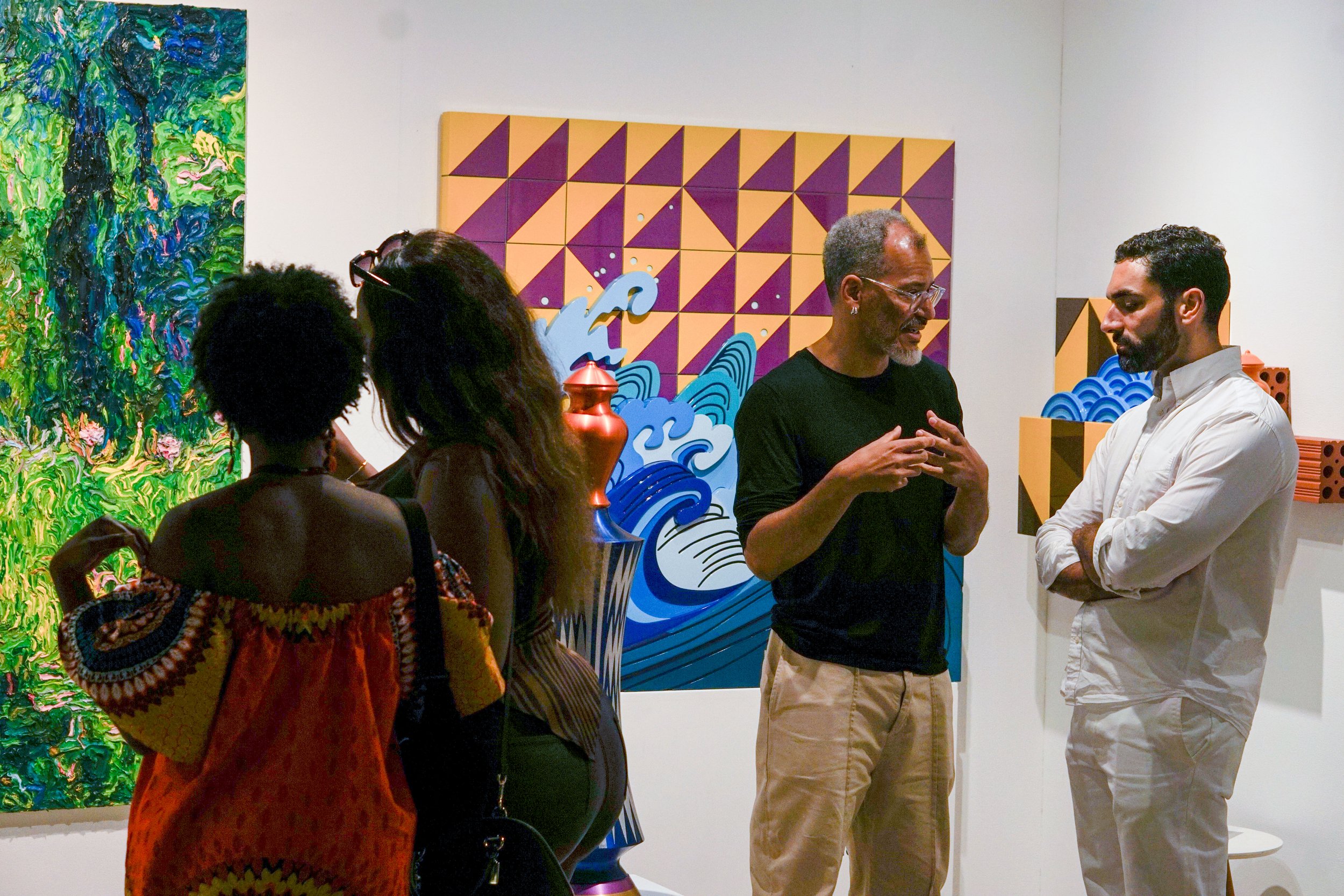
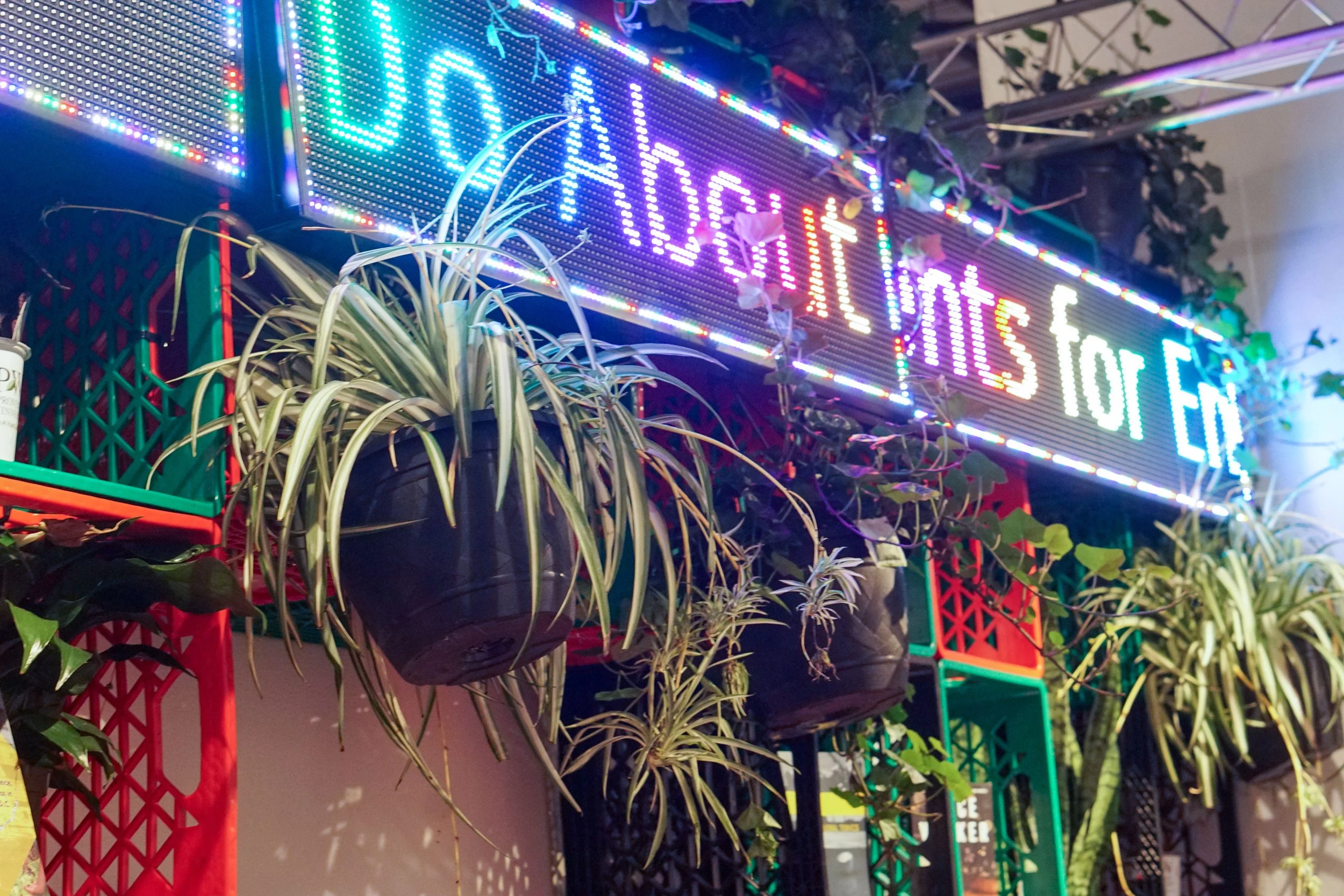
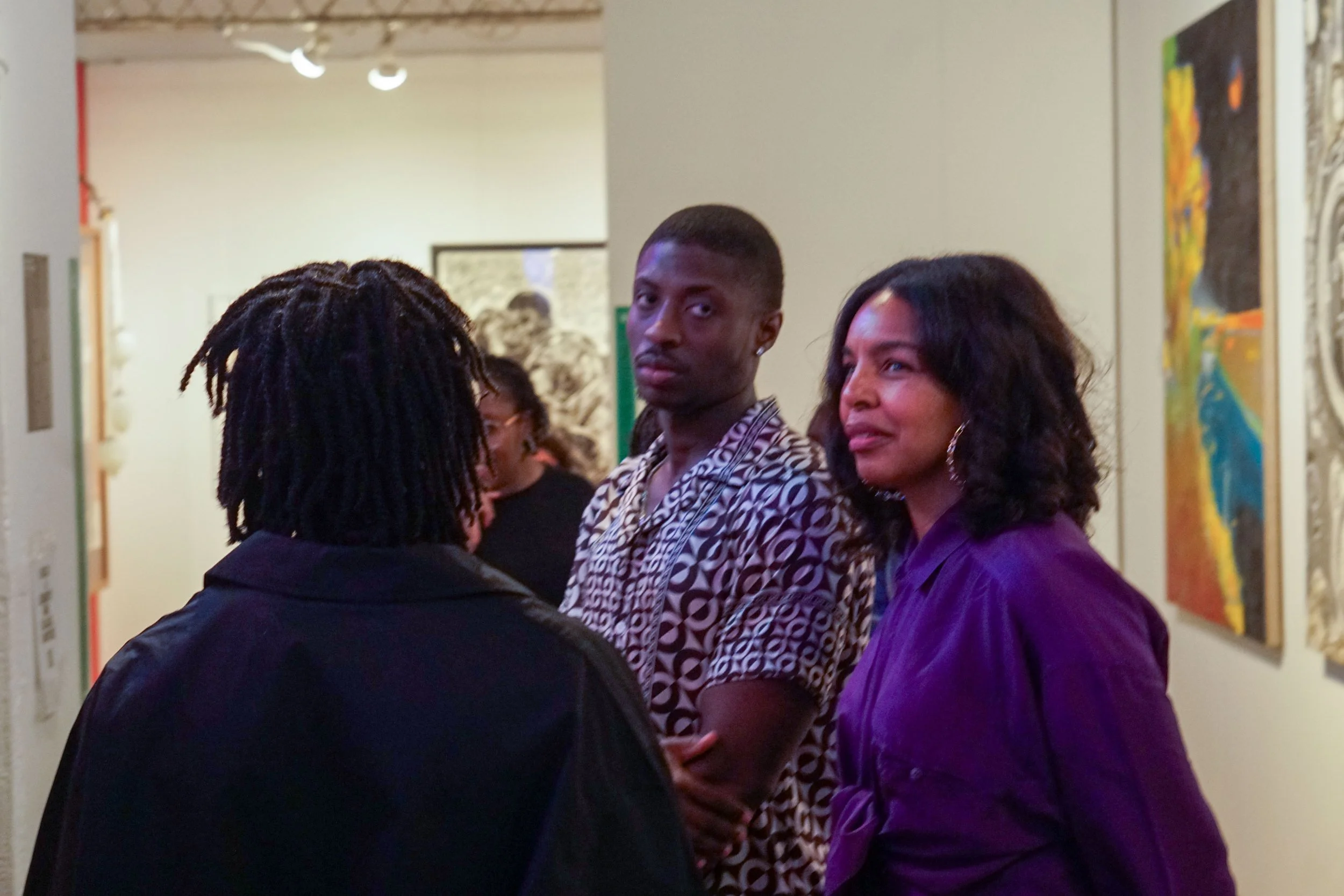
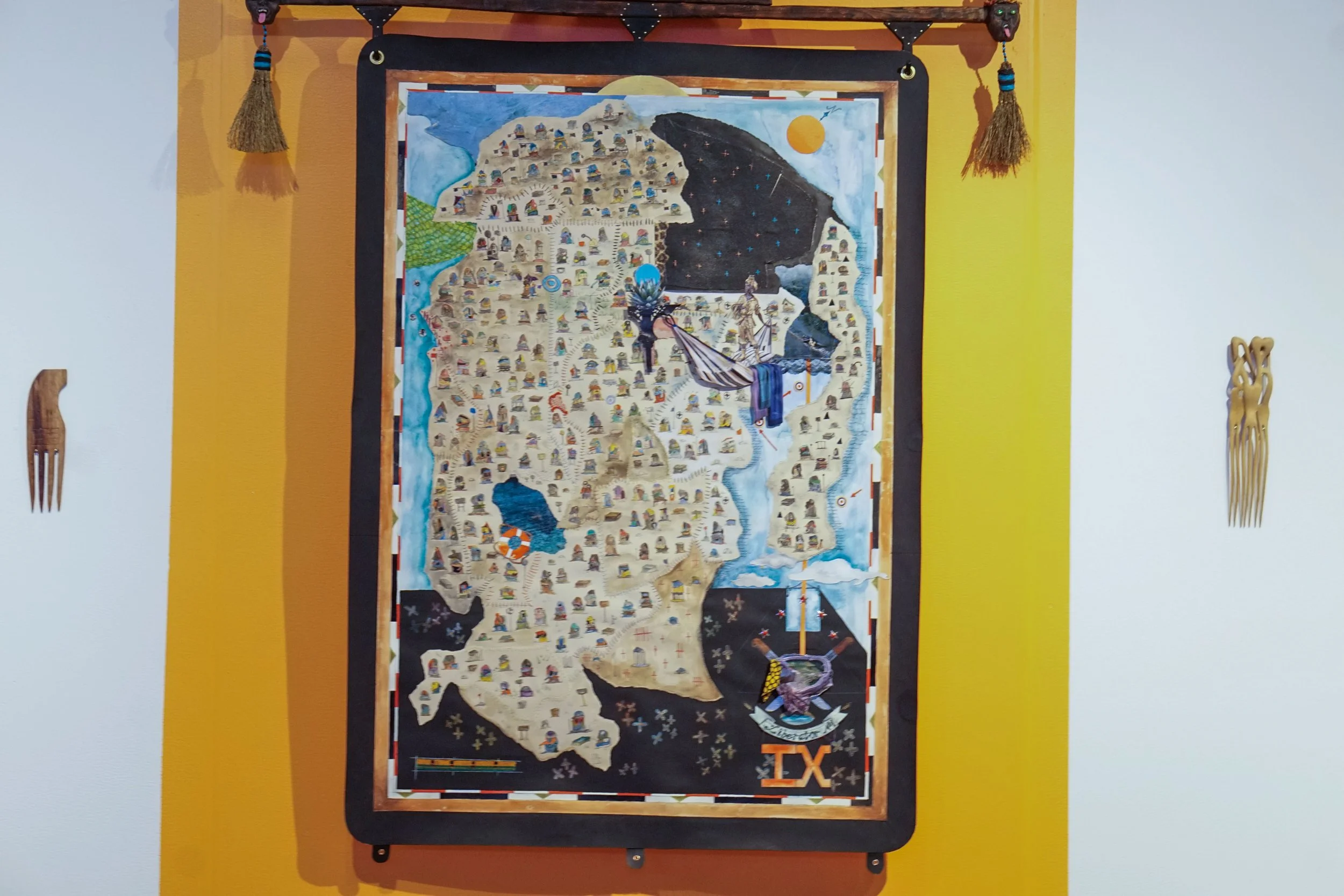
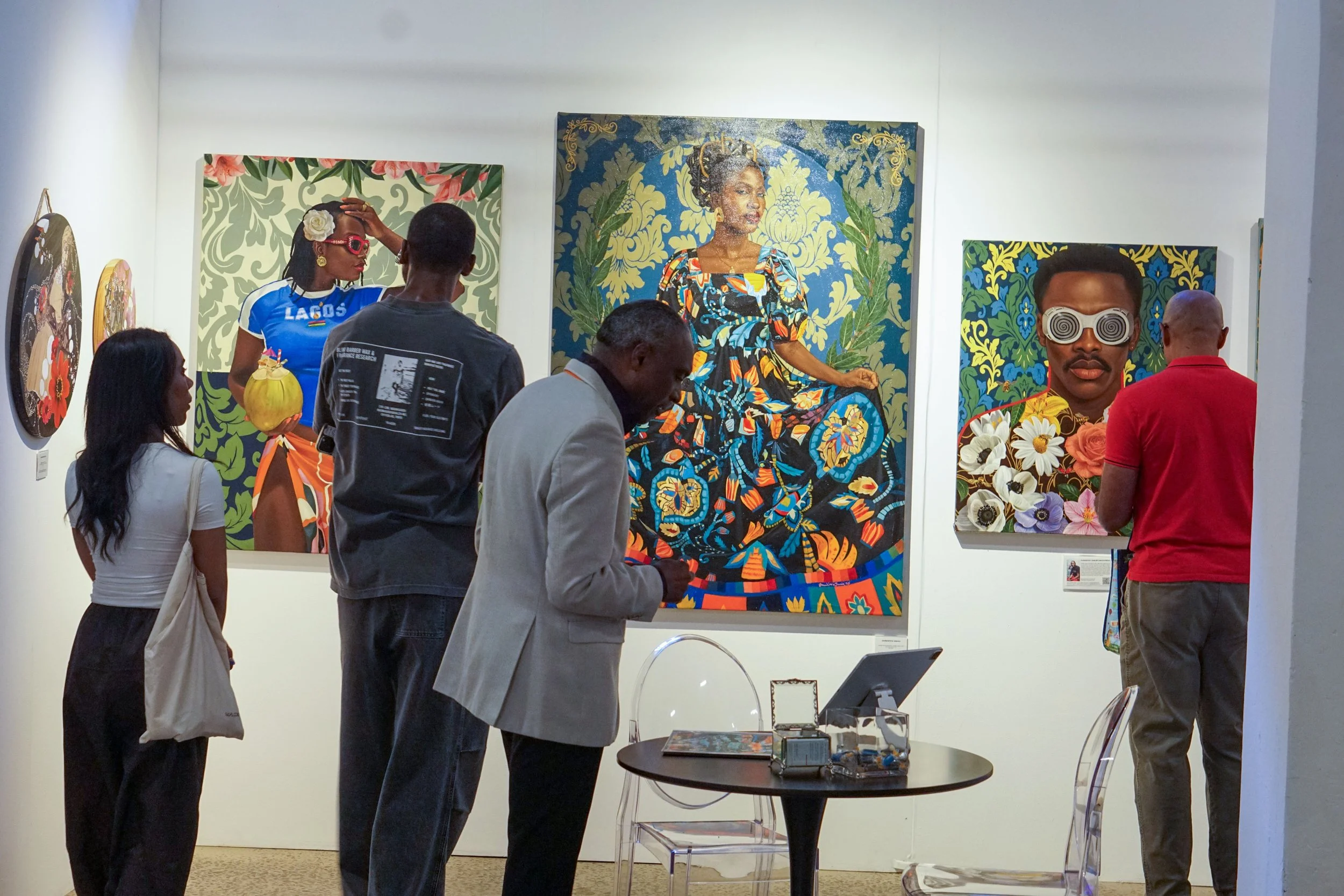
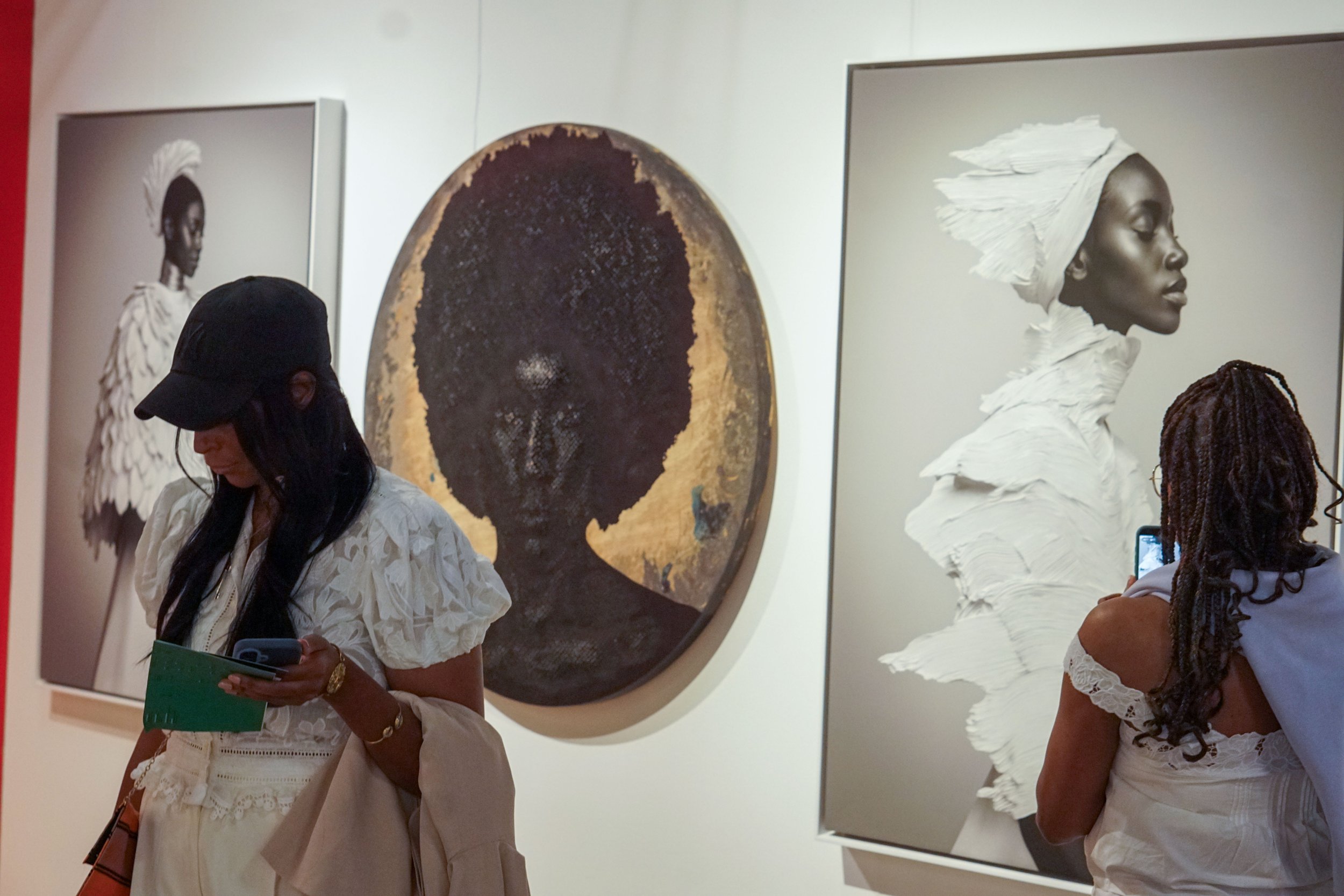
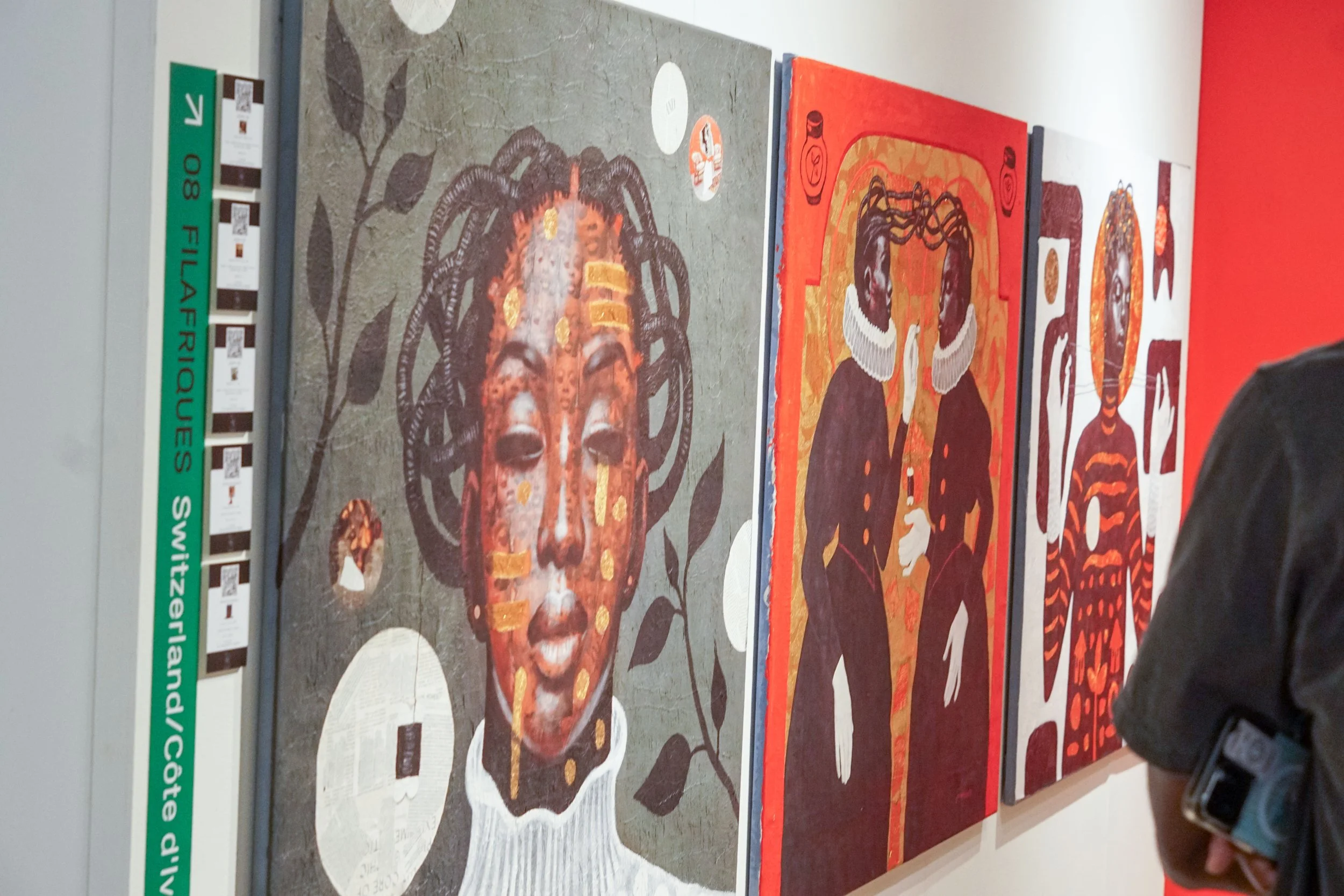
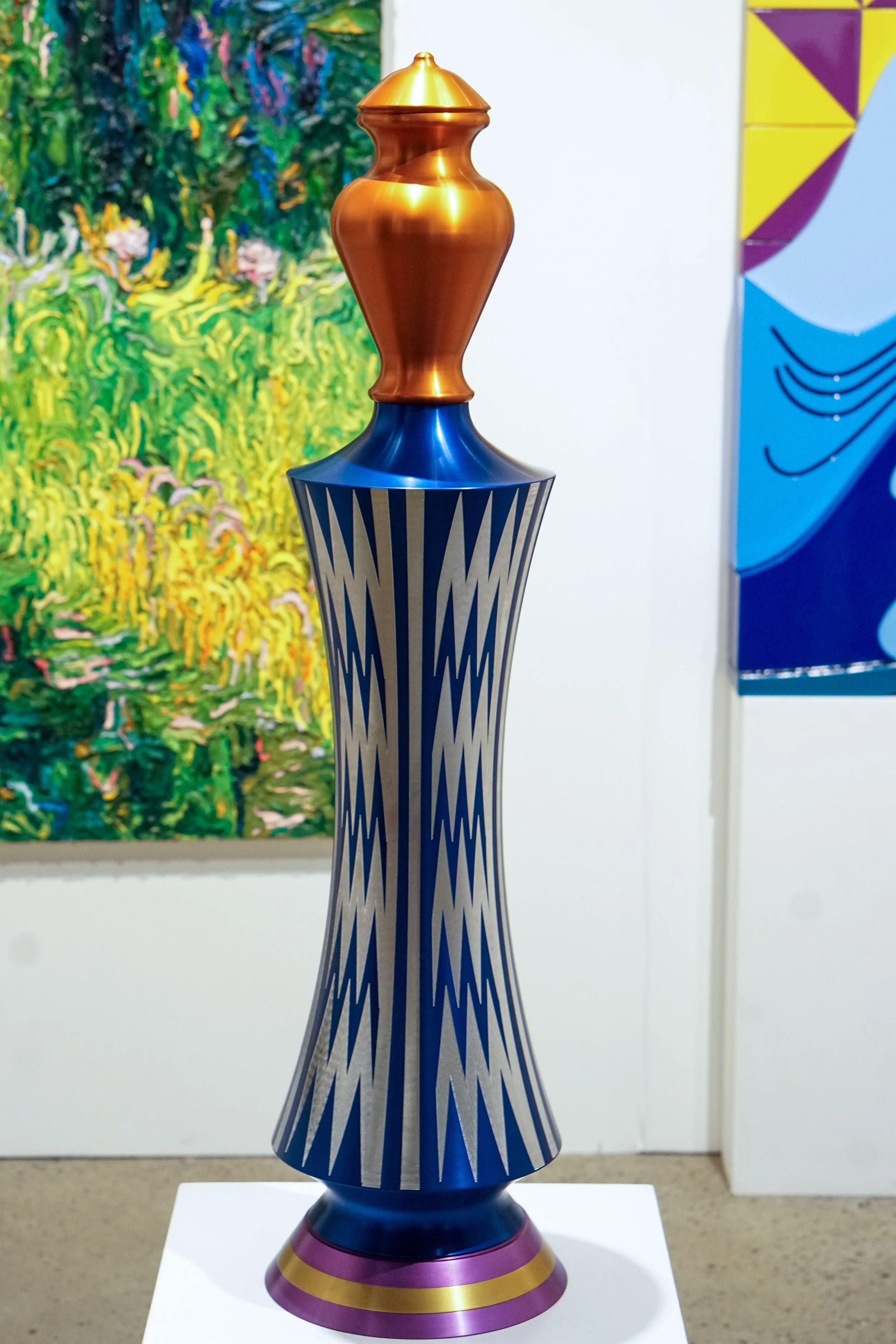
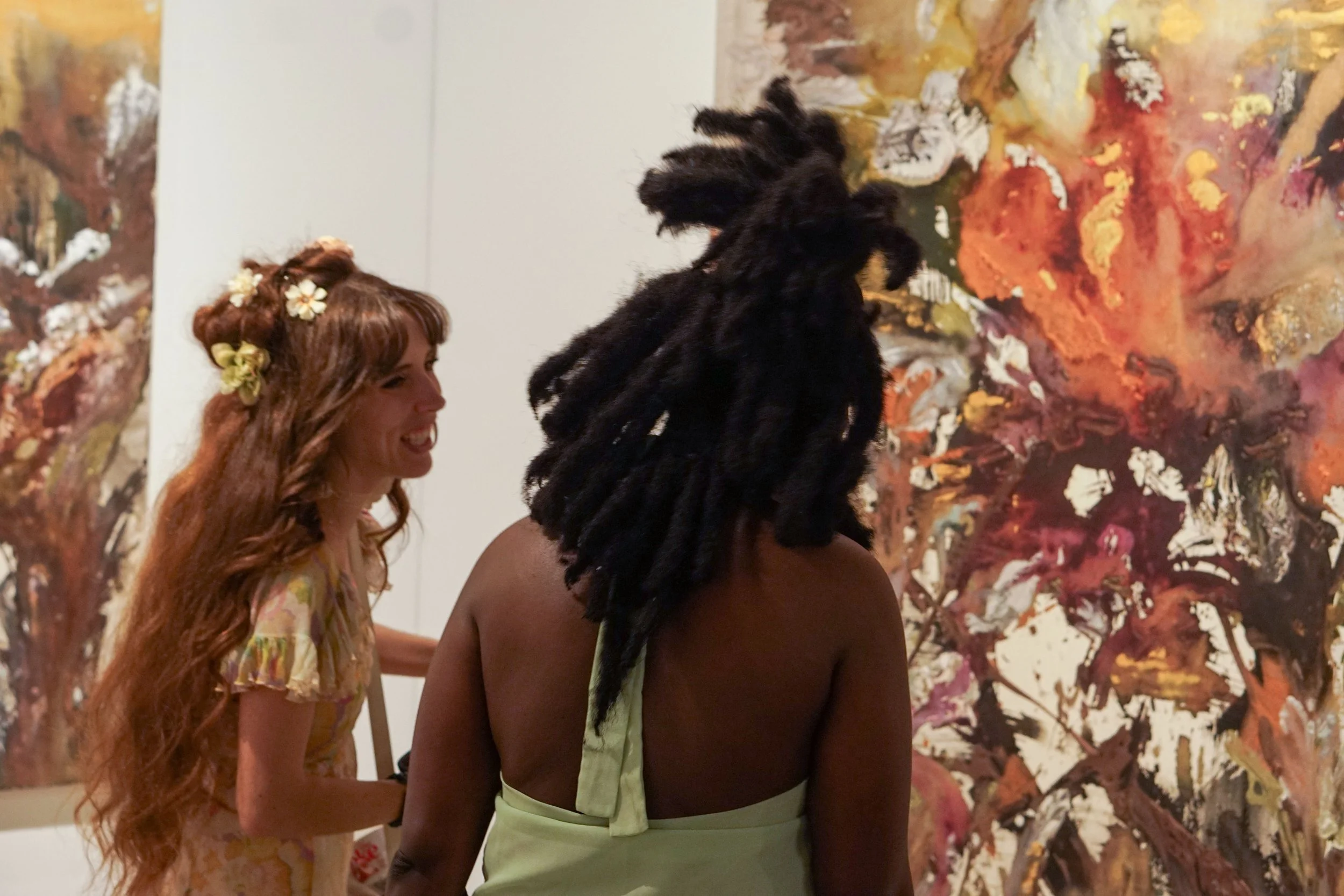
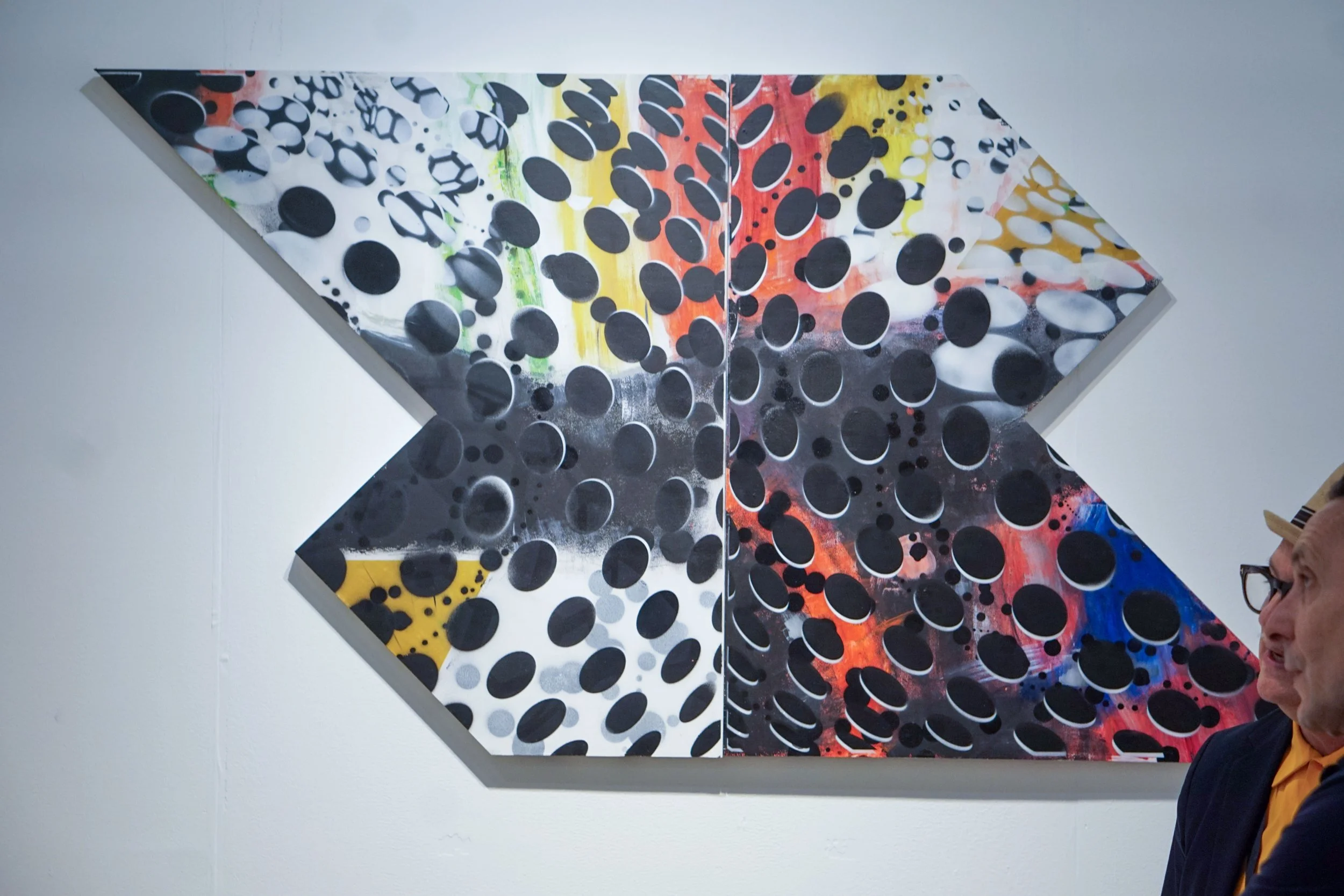
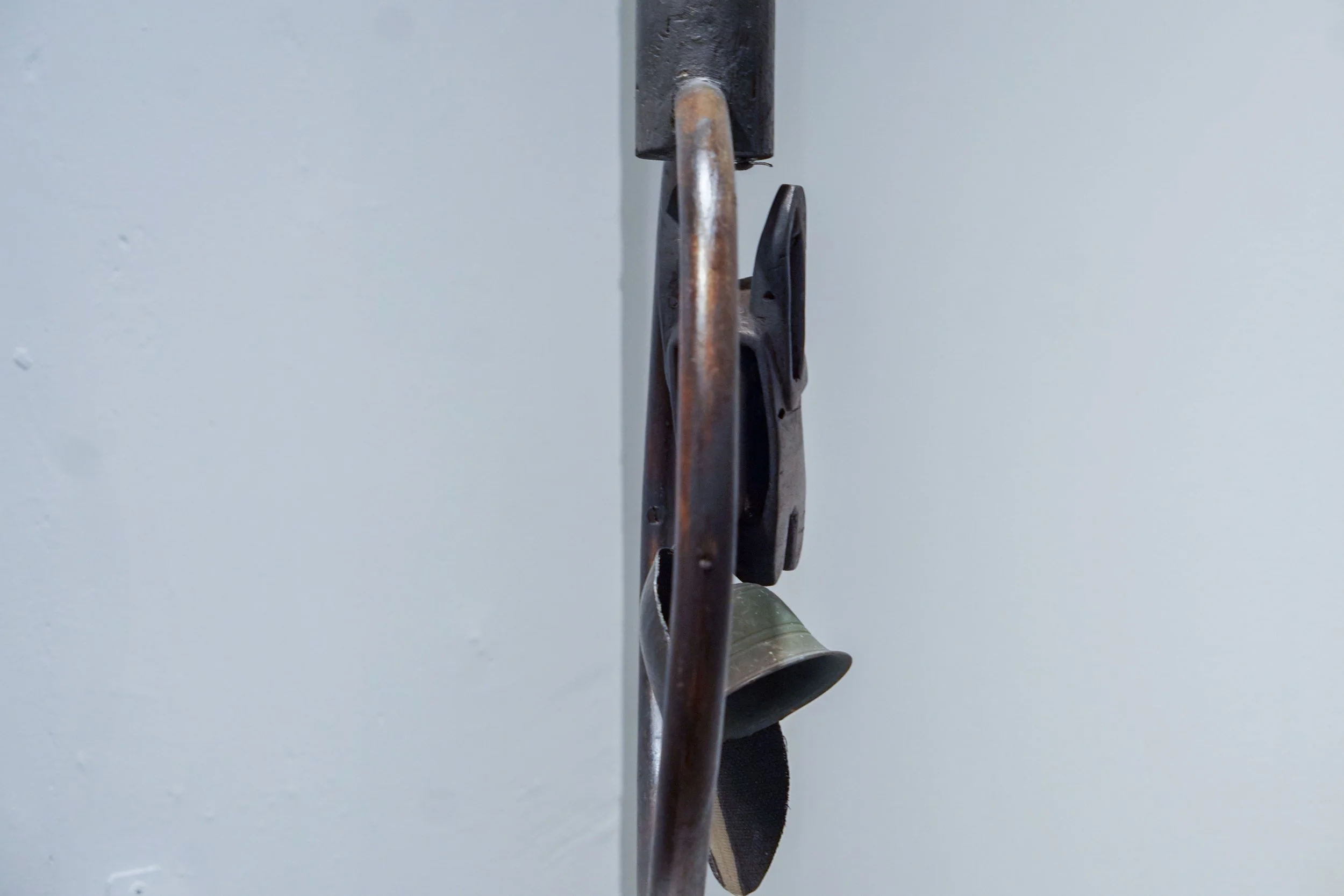
At 1-54, that intentionality became even more visible. The fair, founded by Touria El Glaoui, continues to be one of the most important spaces for contemporary African and diasporic art globally. This year’s edition brought together galleries from across Africa, Europe, Brazil, and the United States with a strong emphasis on diasporic narratives and Afro-Brazilian perspectives.
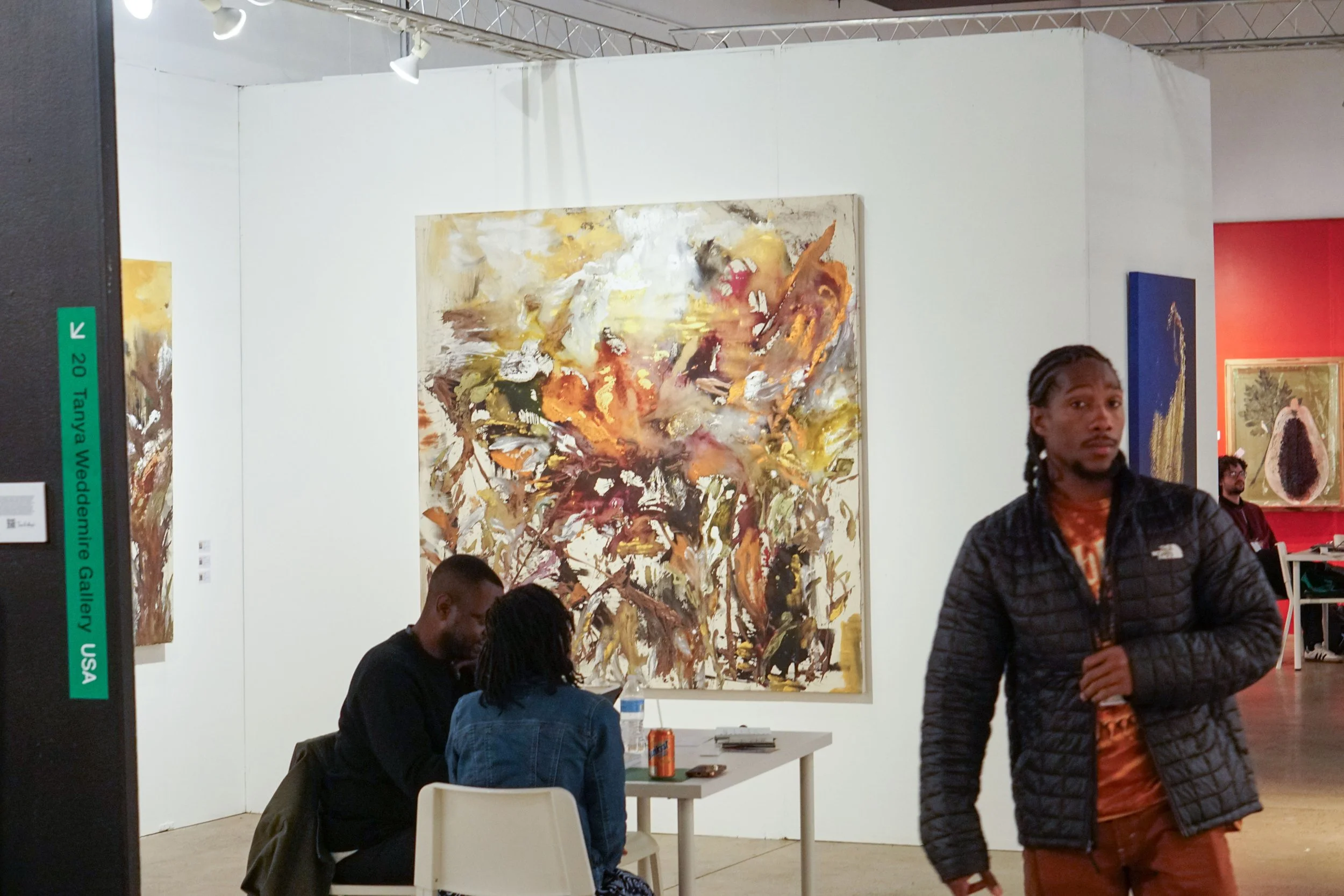
Tanya Weddemire Gallery really stood out to me because the presentation felt honest. The booth wasn’t trying too hard or forcing a moment. It trusted the work enough to let people sit with it, and I think that confidence made the experience stronger. During a week where a lot of booths were fighting for attention, that space reminded me that intimacy and restraint can still carry real weight inside commercial art spaces.
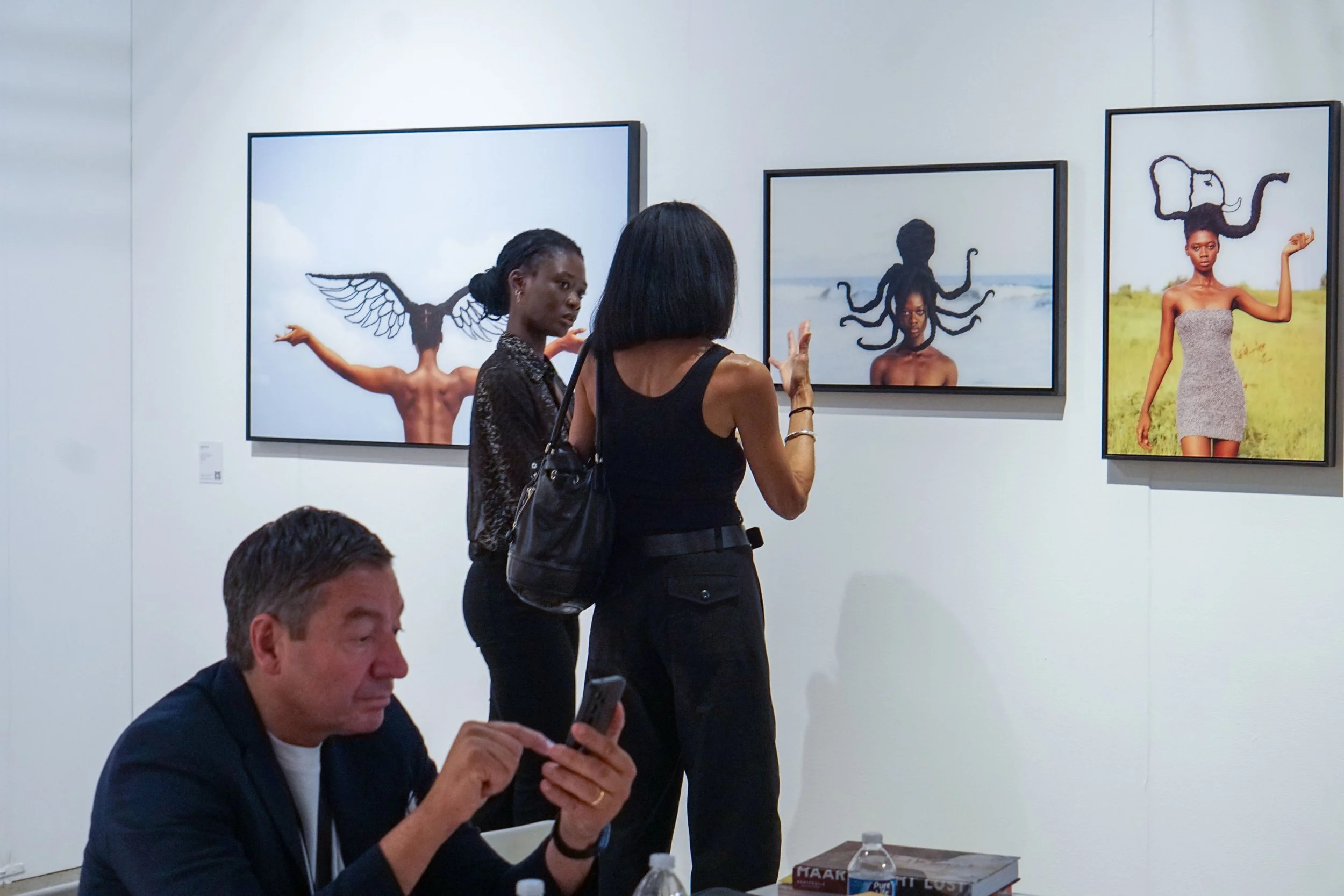
What really held the booth together for me was the pairing of Moses Salihou and Candice Tavares. The conversation between their works felt natural and emotionally aware instead of overly curated. Salihou’s layered surfaces and physical approach to paint felt alive, almost like memory and identity were being worked through directly on the canvas. Then alongside that, Tavares’ carved wood panels brought this softness and care to the space. Her work centered Black femininity, hair, and human connection in a way that felt personal without losing strength.
Together, the presentation delivered a powerful statement during fair week. It slowed people down. It made people actually look and sit with the work instead of rushing to the next booth. In a week built around spectacle, that kind of presence felt important.
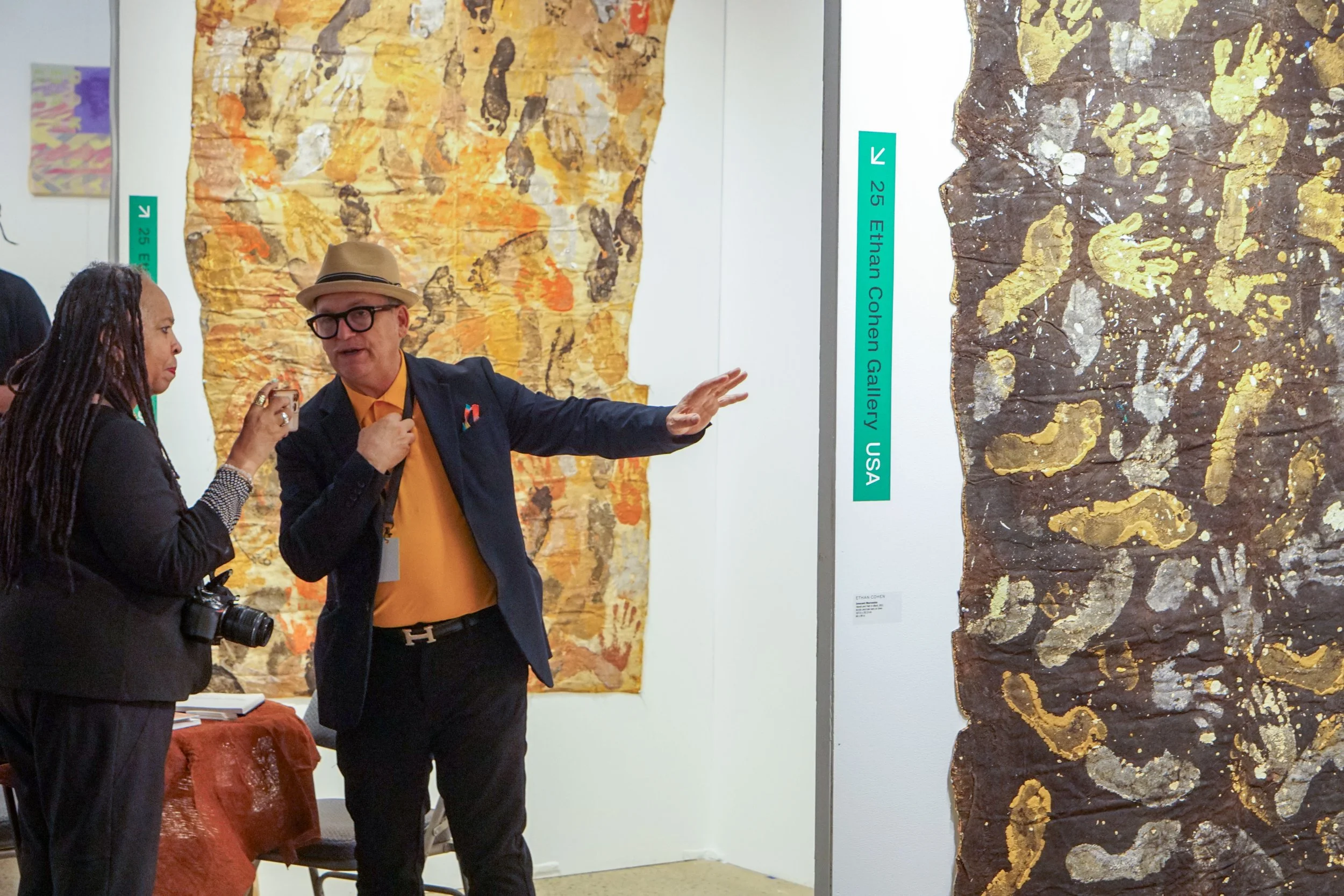
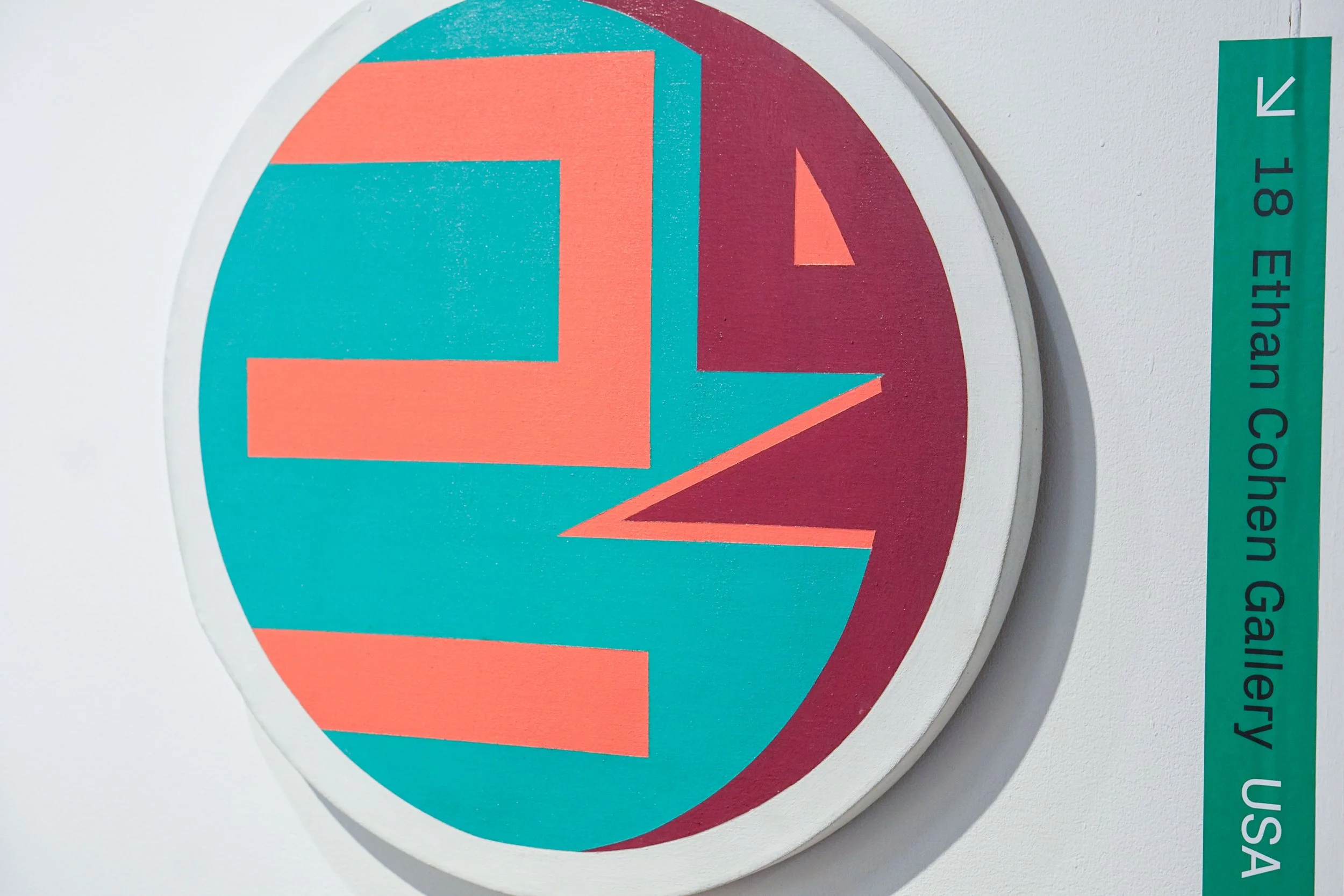
Ethan Cohen Gallery also had a strong presentation throughout the week. The work felt layered without becoming inaccessible. There was a balance between contemporary experimentation and strong formal understanding that made the booth feel resolved instead of chaotic.
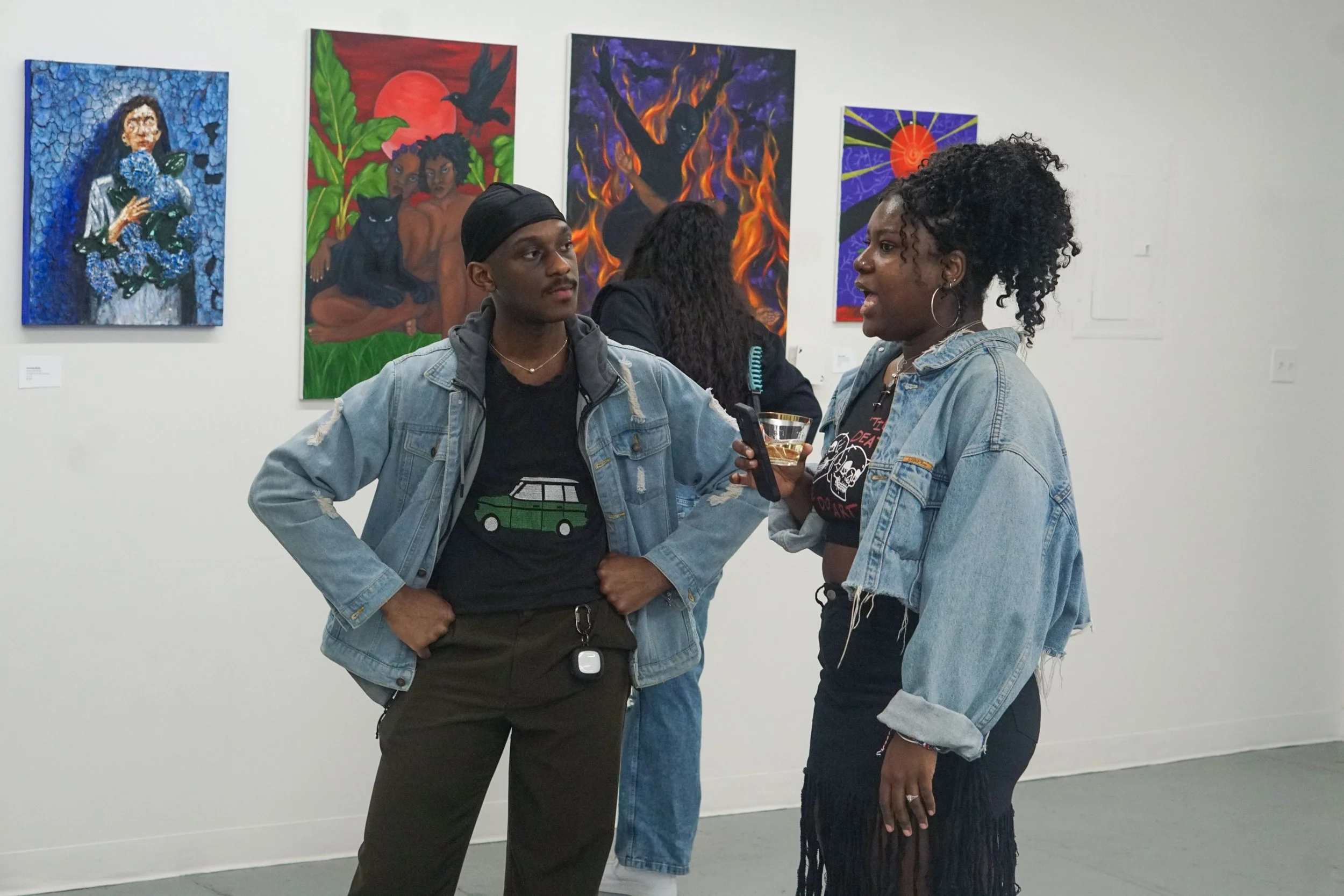
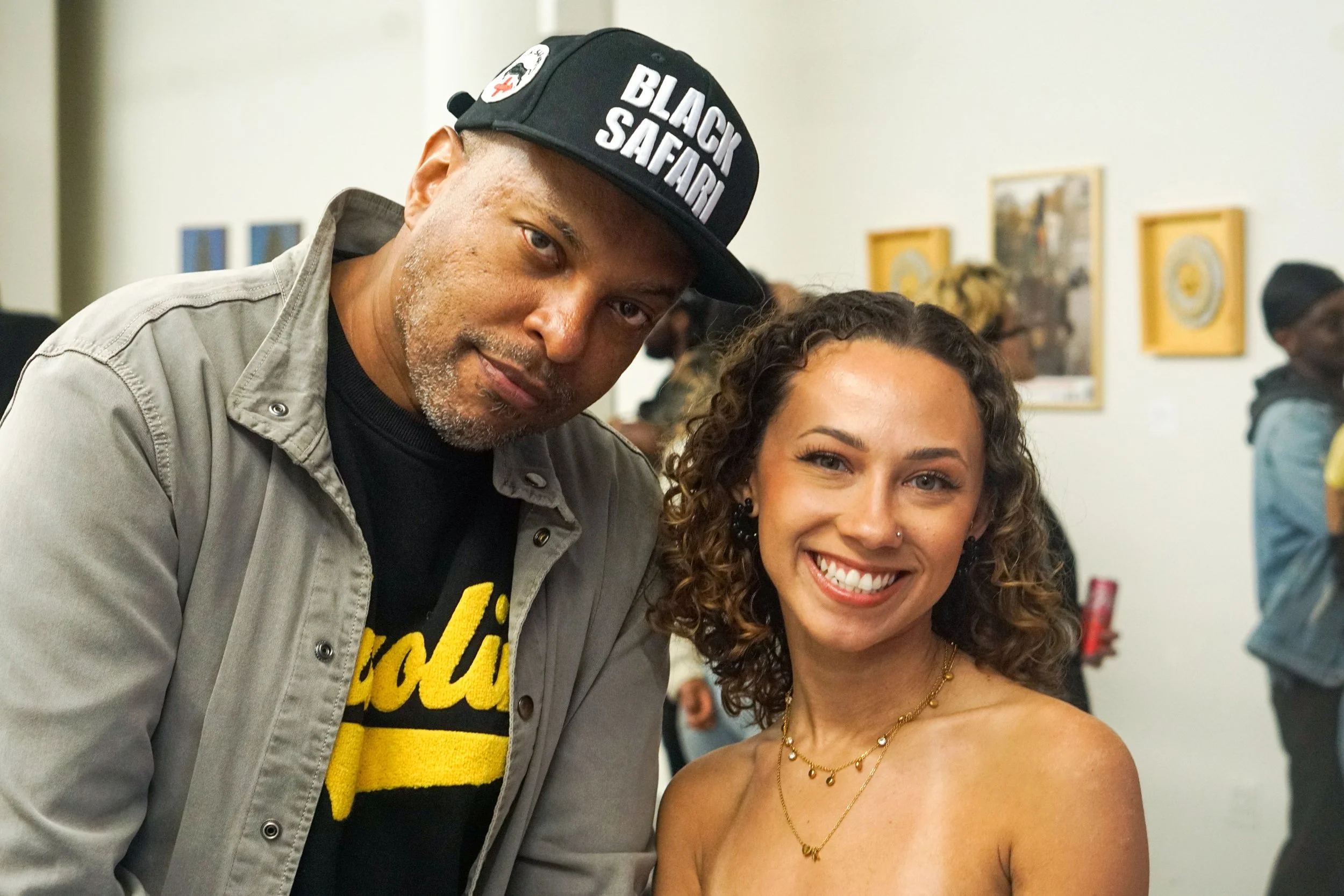
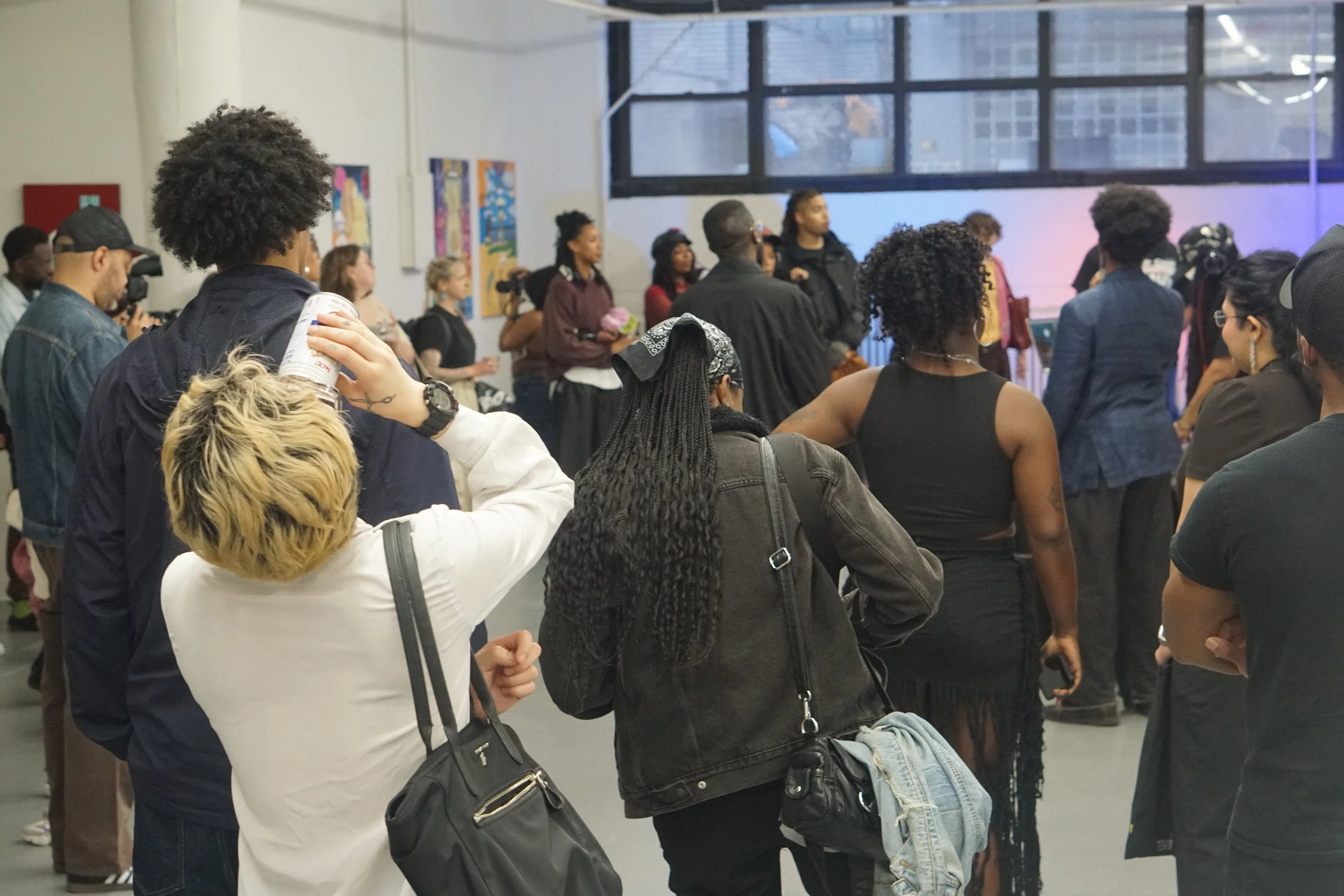
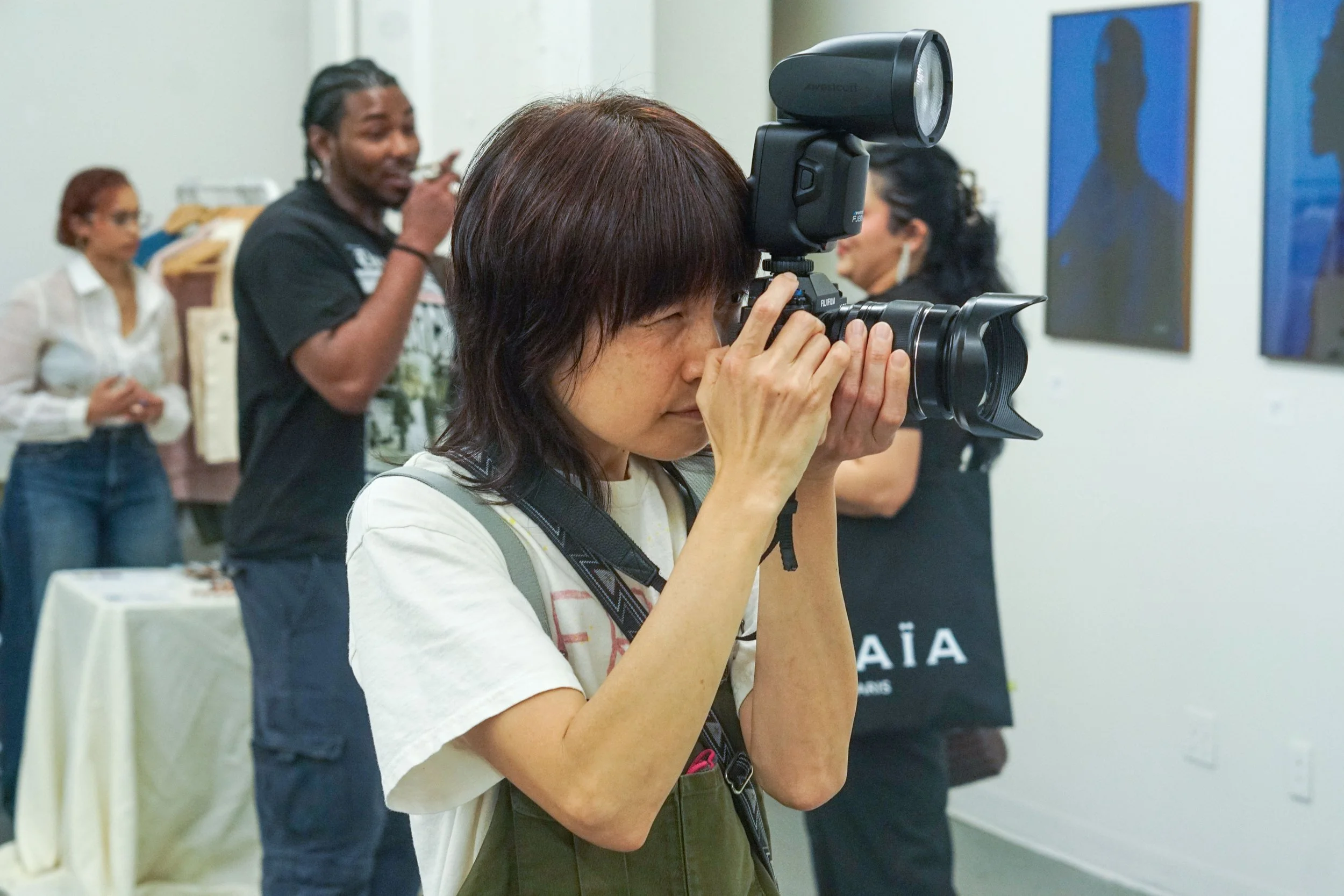
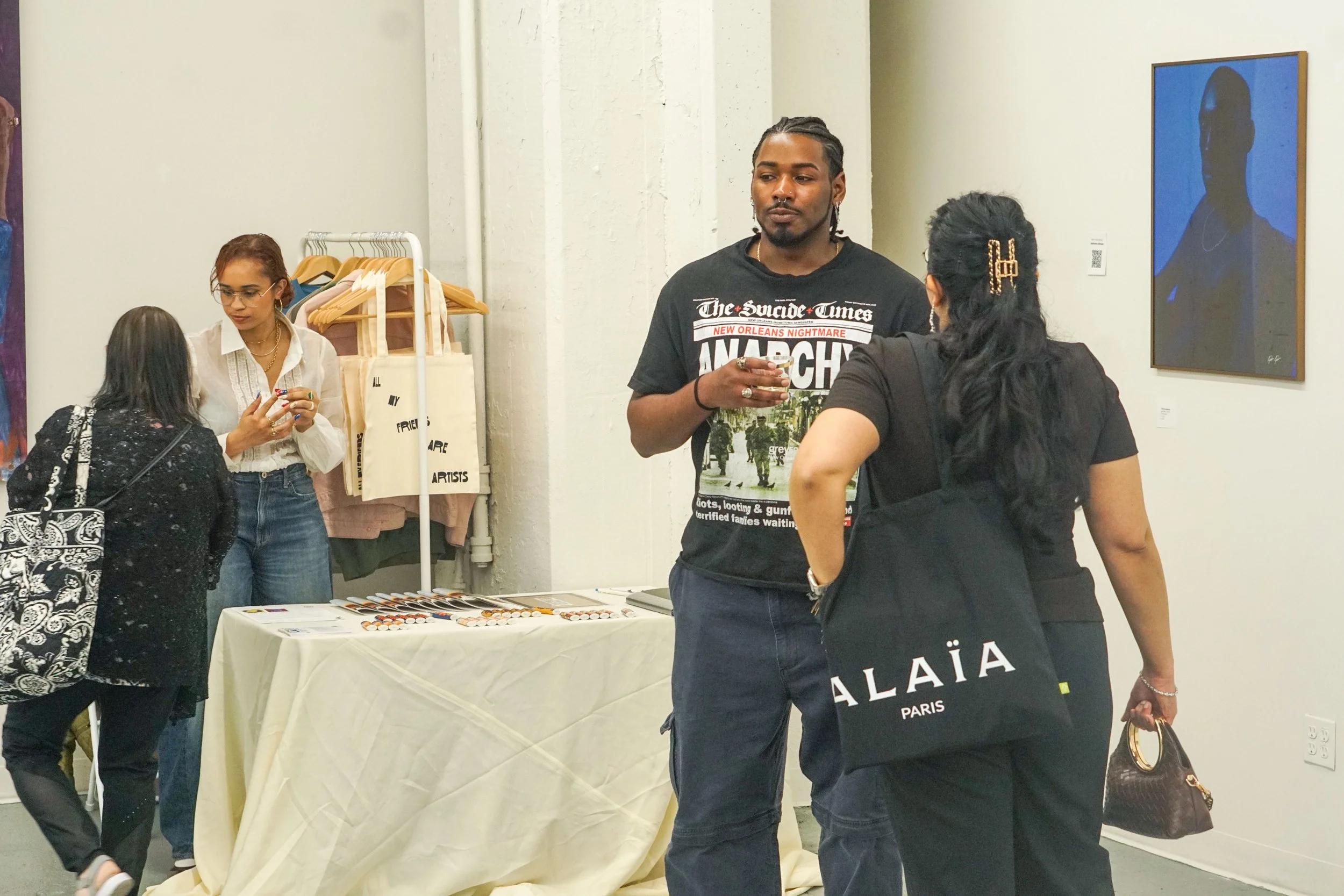
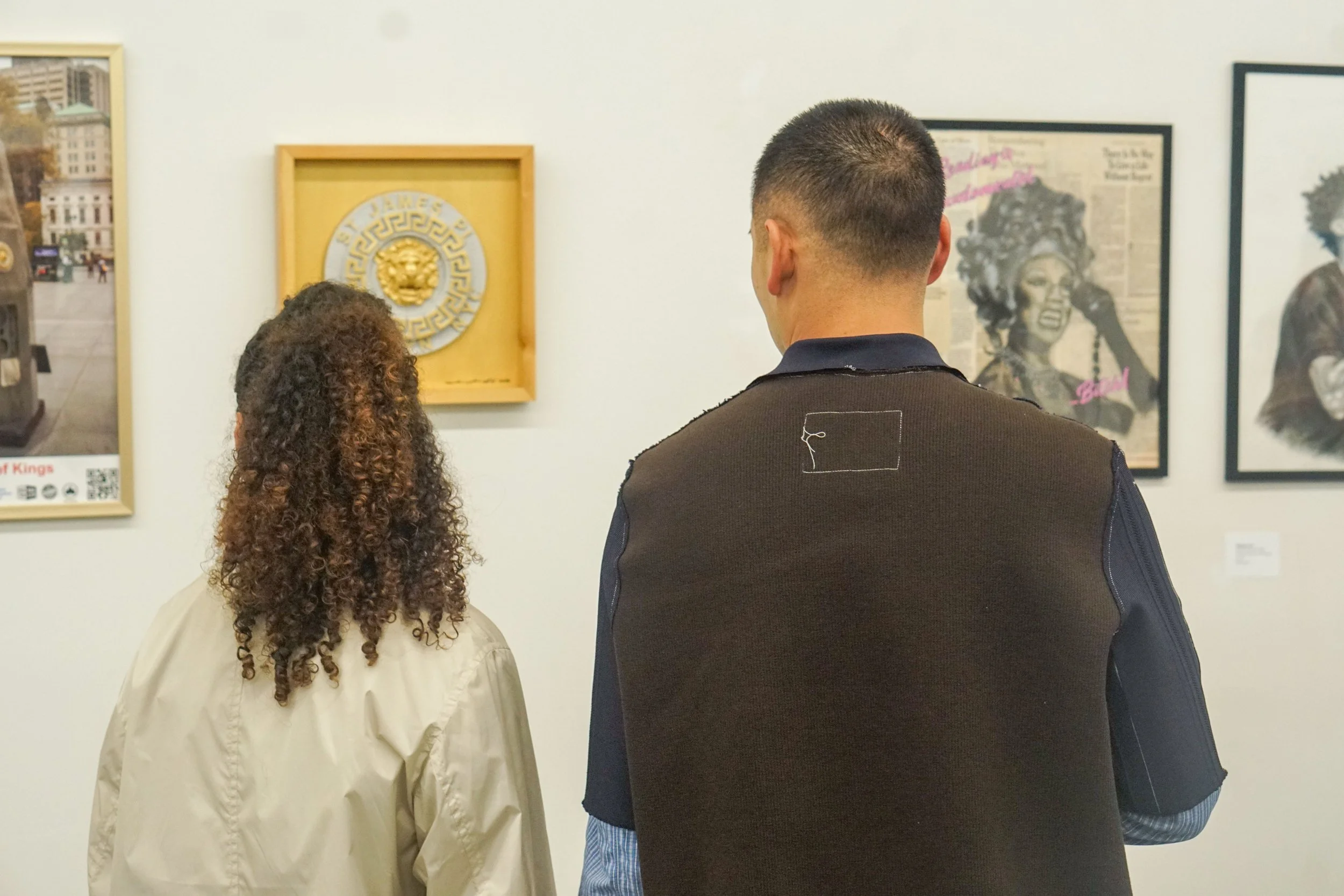
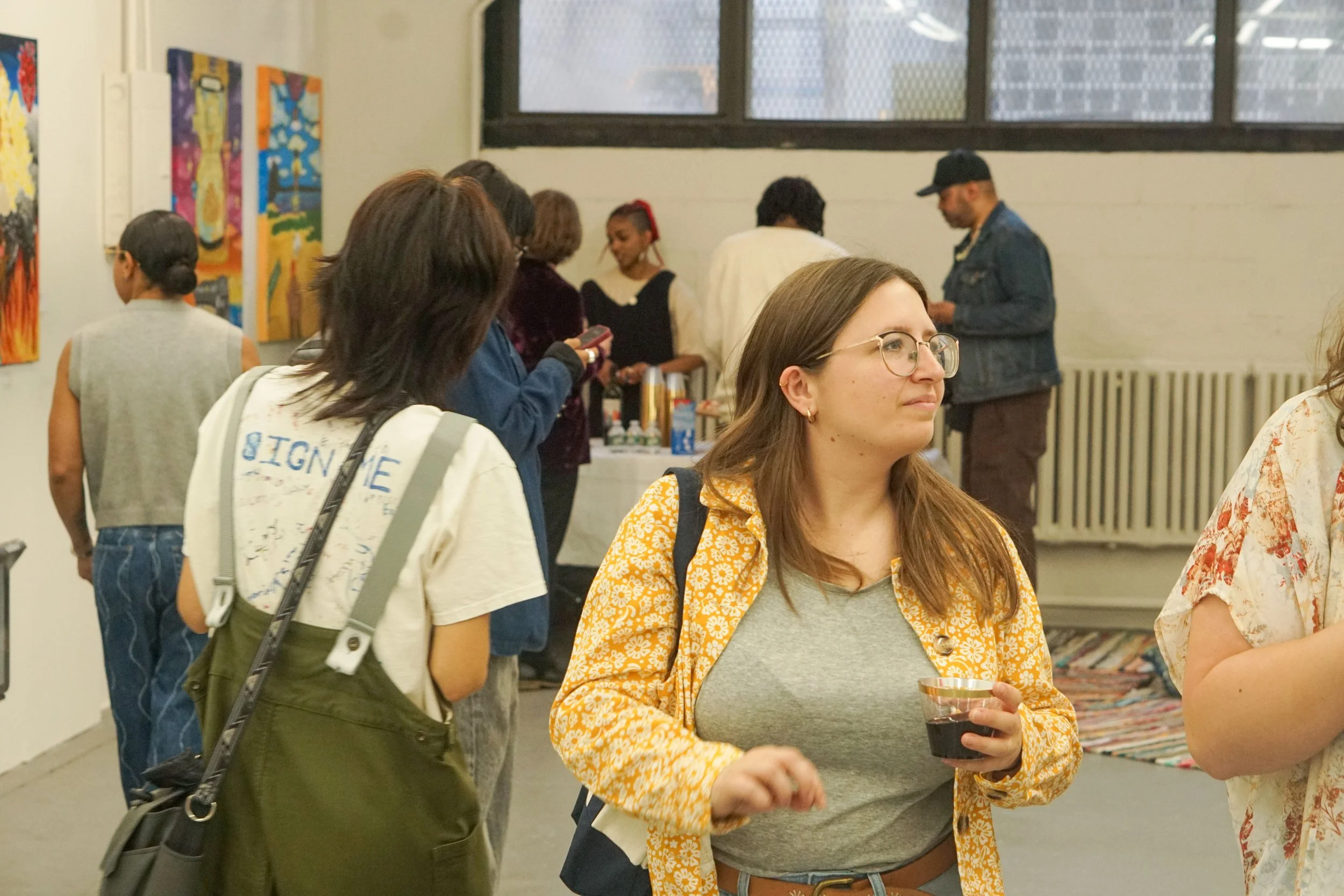
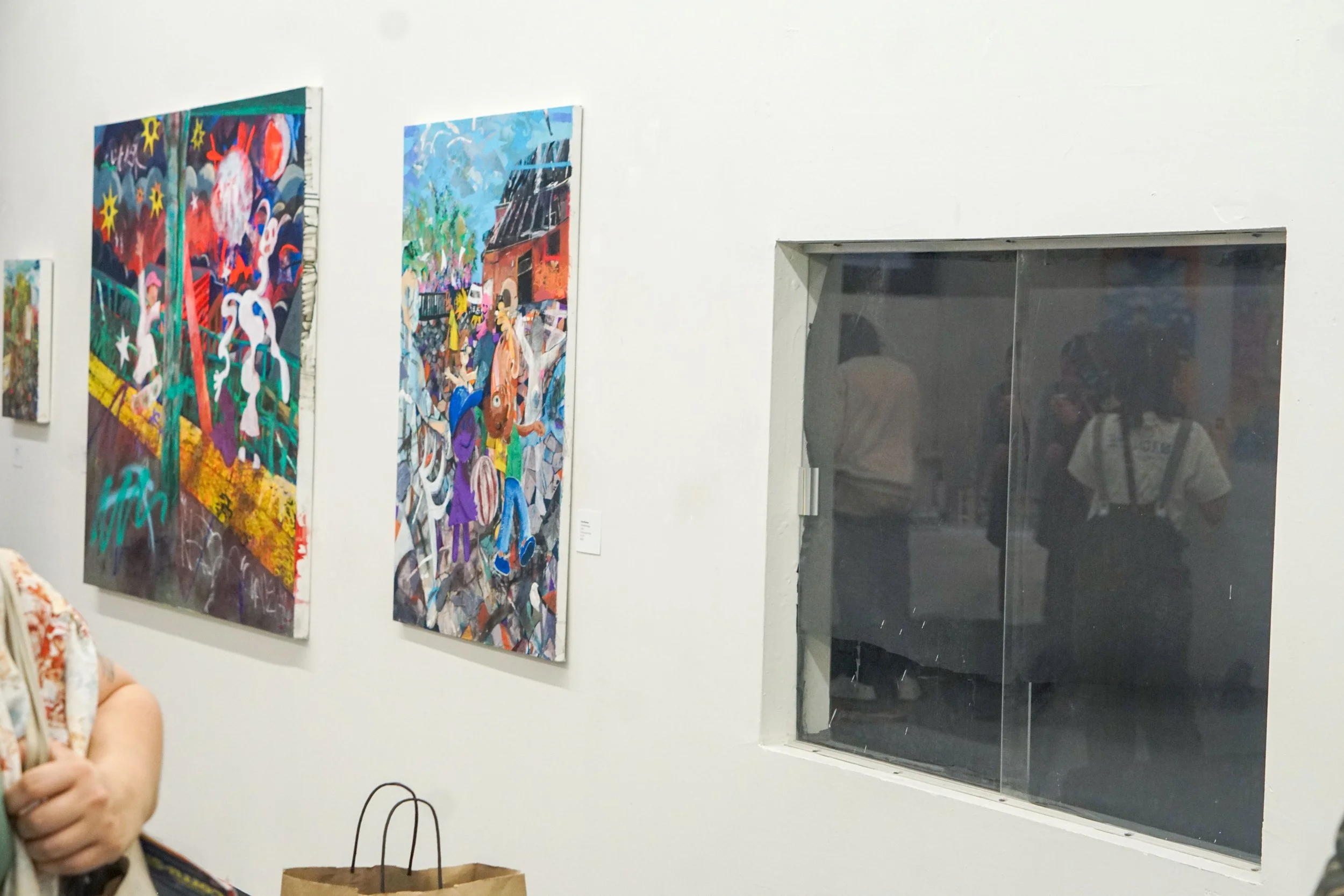
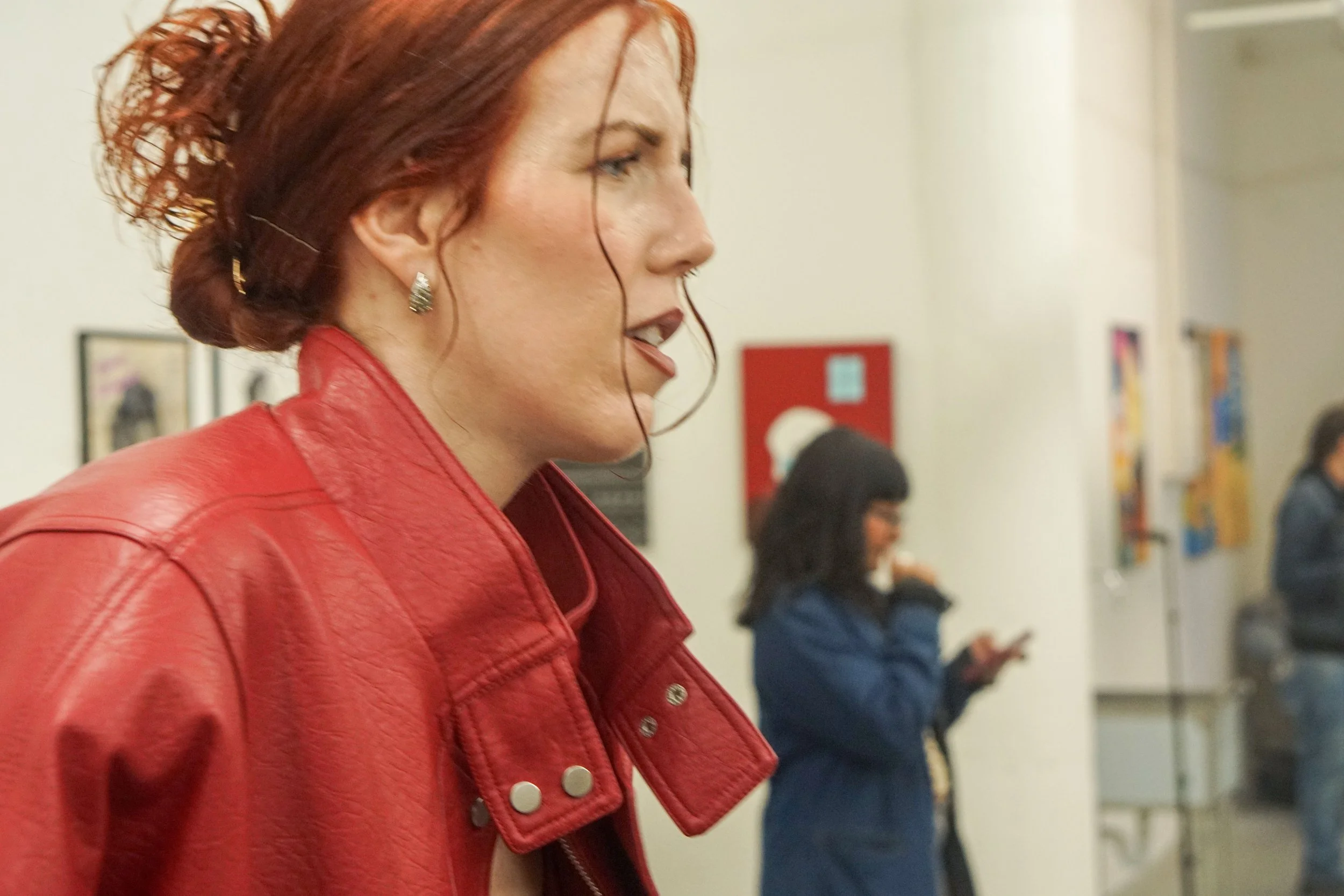
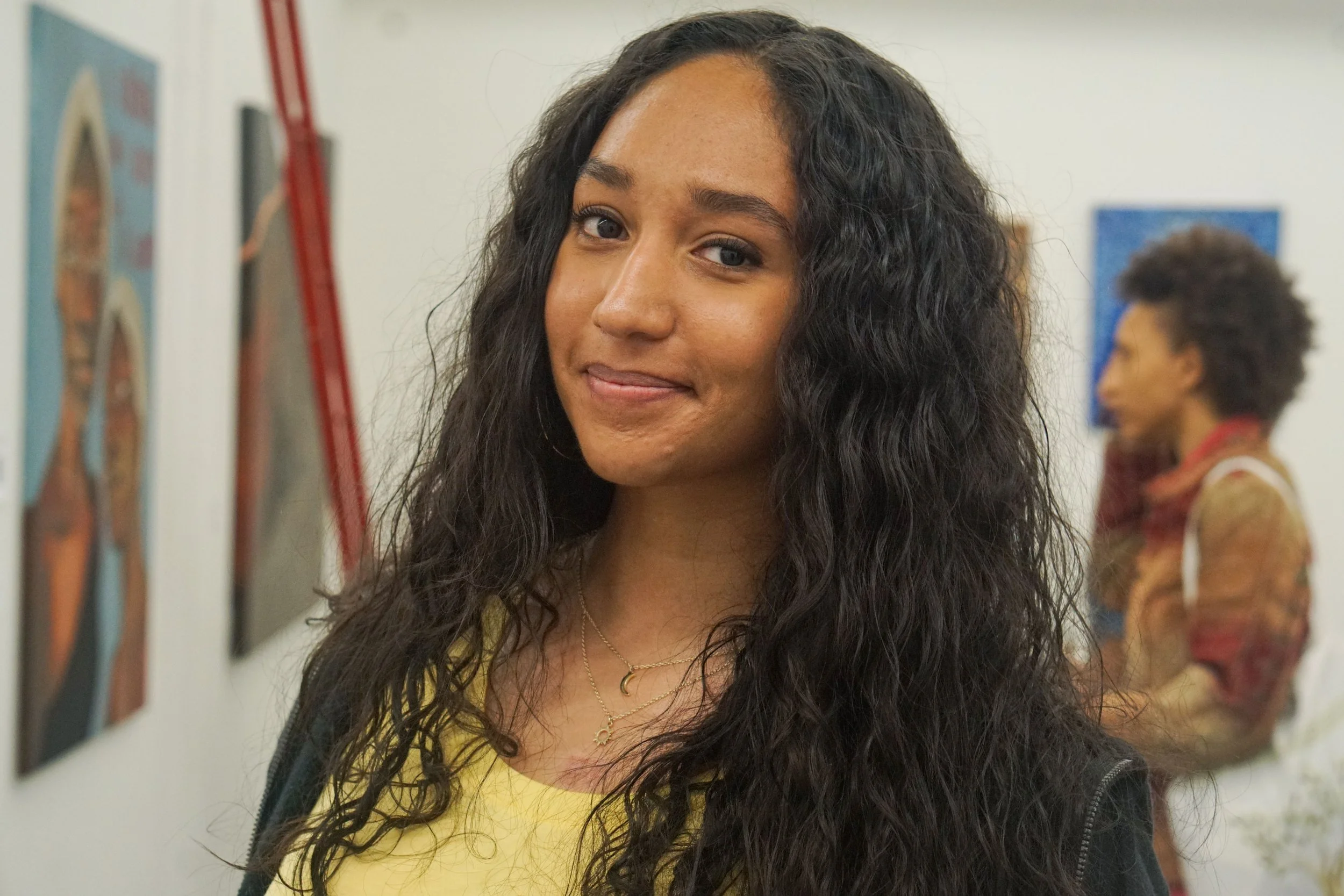
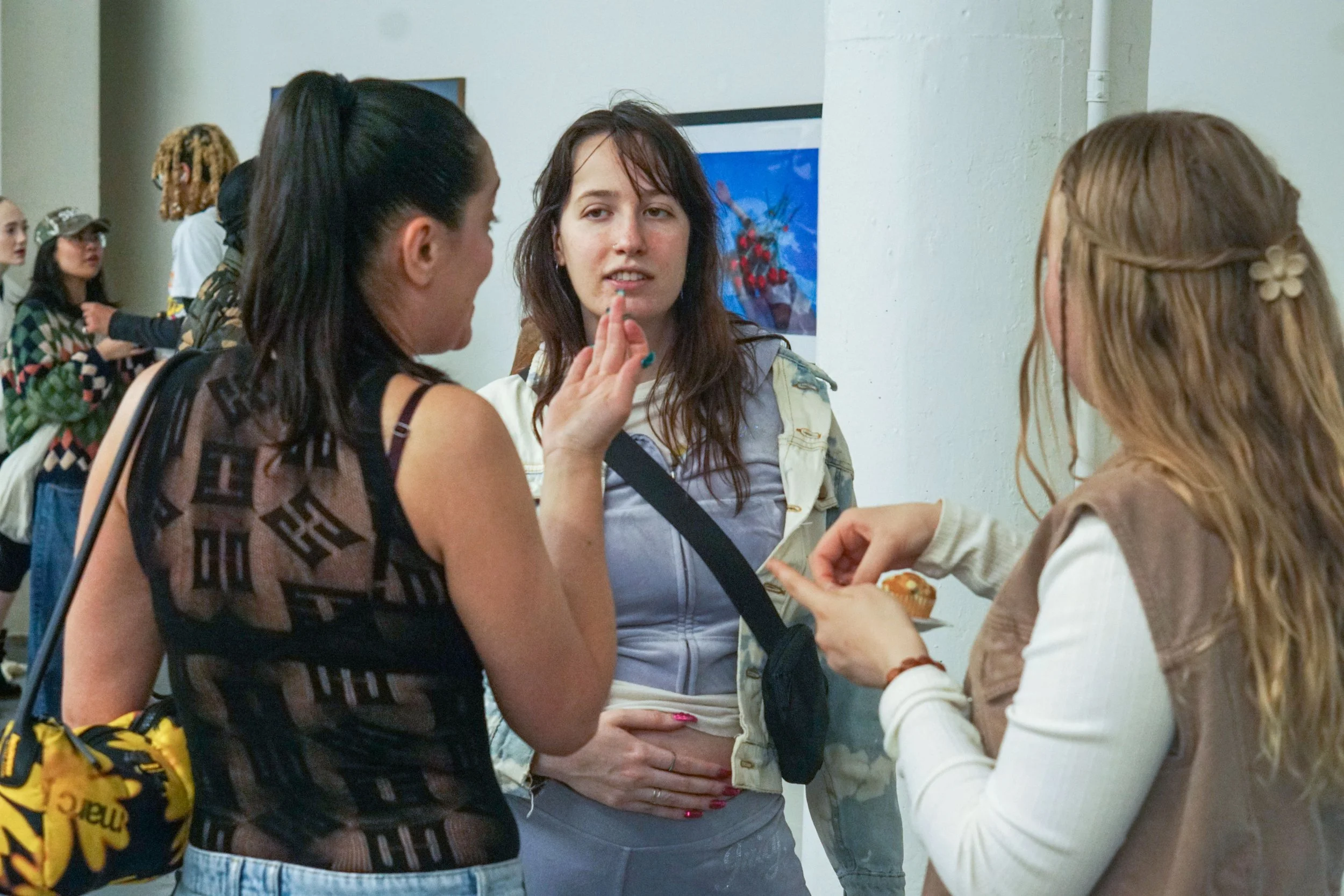
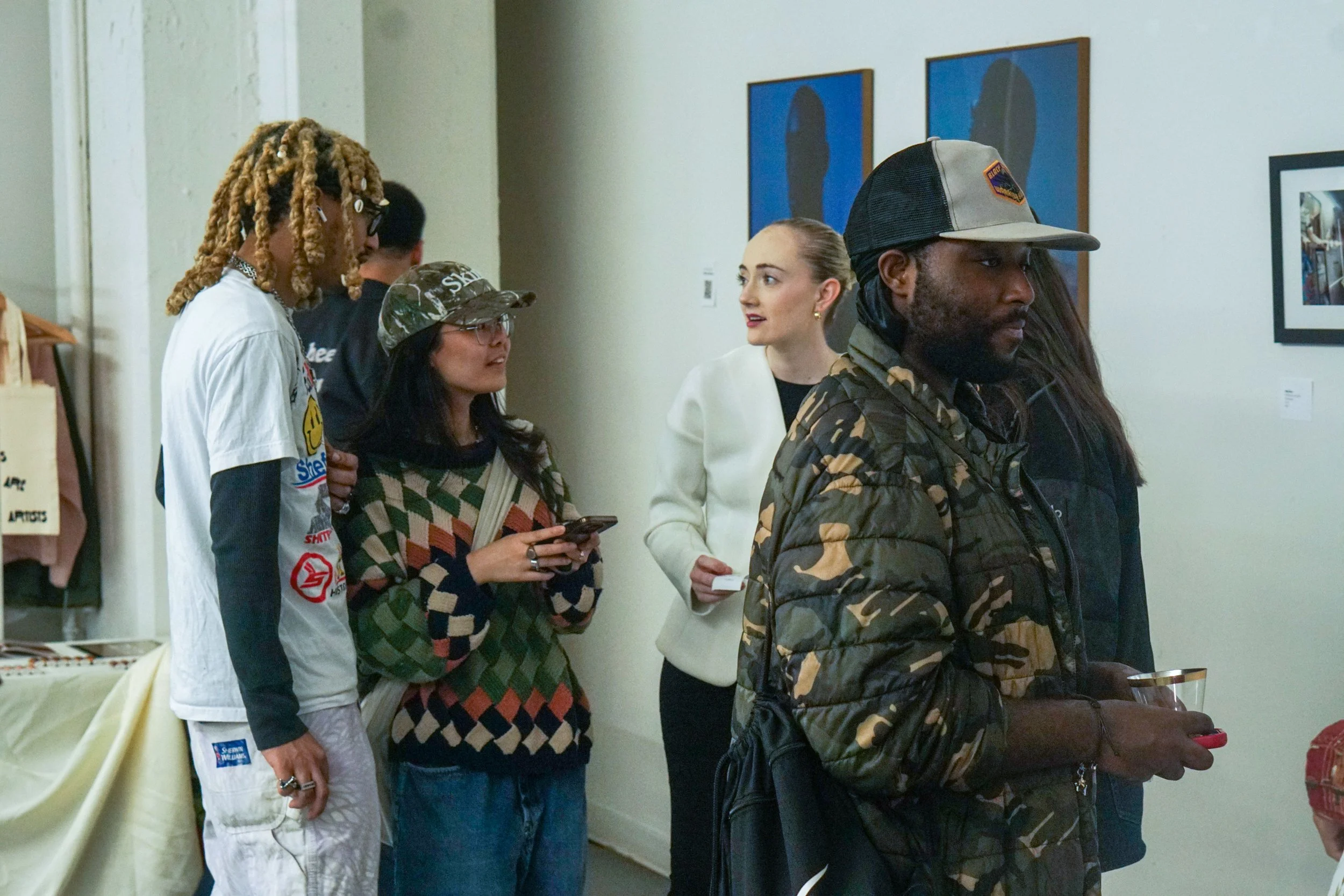
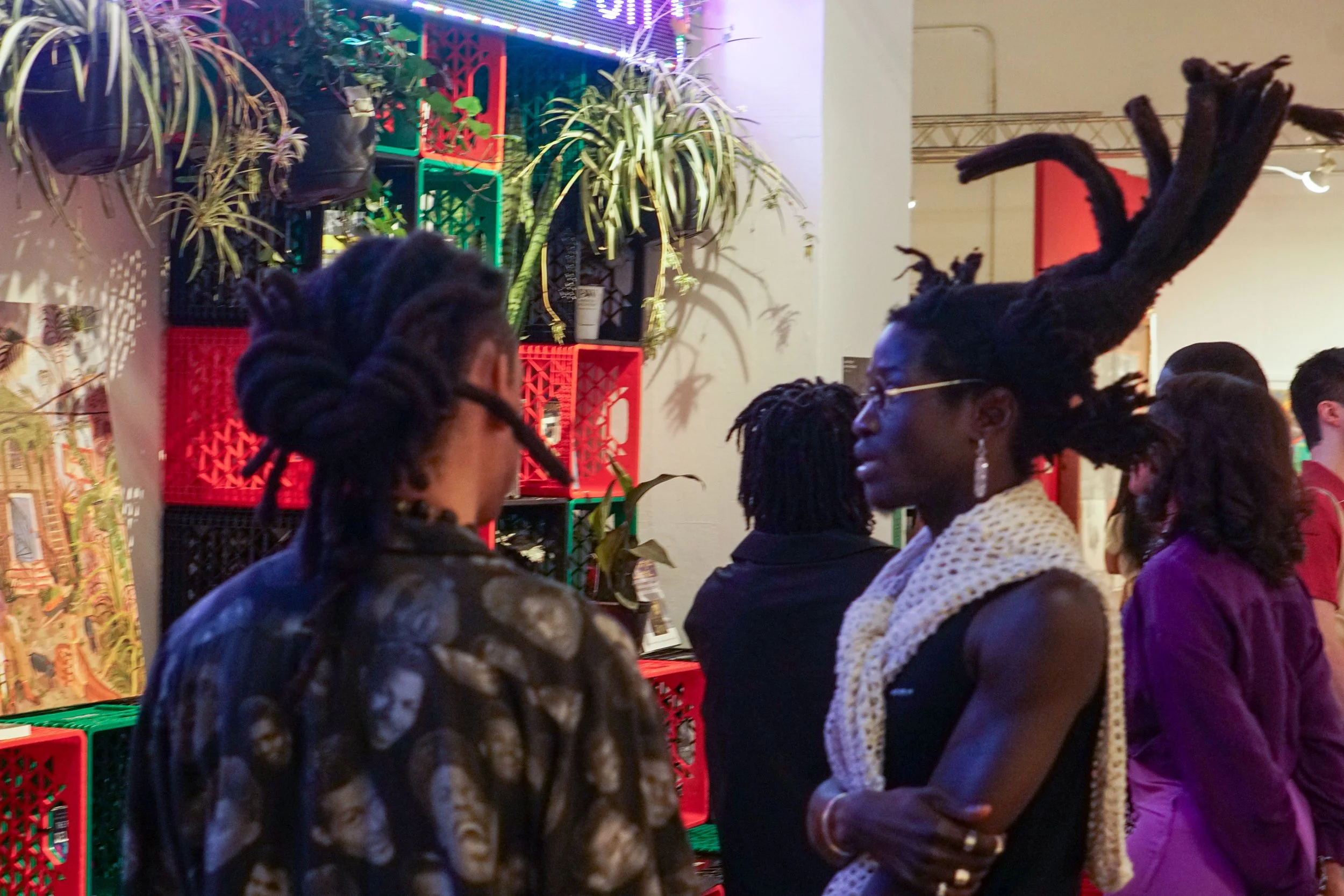
Outside of the fairs themselves, one of the strongest exhibitions I experienced all week was the We Are In Queens, exhibition curated by Keilley Banks of All My Friends Are Artists in Long Island City.
That exhibition reminded me why independent and emerging artist-driven spaces still matter so much. The show created an actual environment instead of just presenting objects on walls. The performances, the pacing, the layout, and the energy between artists all felt intentional. Nothing felt forced. It gave emerging artists room to exist fully inside the space instead of feeling secondary to the production around them.
What made the show successful was not just the artwork itself, but the way the exhibition understood community as part of the curatorial structure. That is something a lot of larger fairs still struggle with. Sometimes the most impactful experiences during Frieze Week happen outside of the major institutional spaces because smaller exhibitions are still willing to prioritize experimentation, conversation, and genuine connection over market optics.
The strongest exhibitions were not necessarily the loudest ones. They were the ones with clarity. The ones that trusted viewers enough to sit with the work.
New York art culture feels like it is recalibrating right now. Not slowing down, but becoming more thoughtful about what deserves attention and why. If this year’s Frieze Week is any indication, people are still hungry for ambitious work, but they also want sincerity again. They want work that feels lived in instead of manufactured for social media circulation.
And personally, I think that shift is needed.
Photography and Editorial by Bleu Pablo